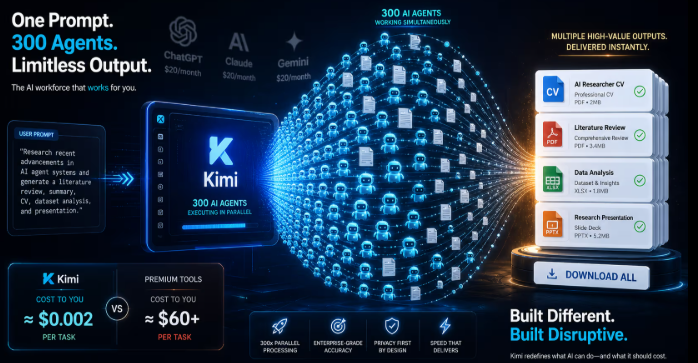
The artificial intelligence industry has evolved into one of the most competitive sectors in technology, with companies around the world racing to build increasingly capable AI systems. While ChatGPT remains one of the most recognized names in the industry, a growing number of challengers are emerging with ambitions to compete for market share and influence. Among them is Kimi AI, a platform that has attracted significant attention due to its rapid growth, advanced capabilities, and strong backing from China's technology ecosystem. As competition intensifies, many observers are beginning to ask an important question: can Kimi AI realistically challenge ChatGPT's dominance in the global AI market?
The AI Market Is Expanding Rapidly
One reason new competitors have opportunities to emerge is that the AI market is expanding faster than any single company can control. Businesses, students, developers, and creators are adopting AI tools at unprecedented rates, creating demand for a wide variety of solutions. This growth means success is no longer determined solely by being first; it increasingly depends on delivering unique features, strong performance, and compelling user experiences.
Competition Drives Innovation
The rise of competitors like Kimi highlights an important reality about the AI industry: innovation accelerates when multiple companies compete aggressively. Each platform seeks to differentiate itself through performance improvements, larger context windows, better reasoning capabilities, or more affordable access. This competition benefits users by encouraging continuous improvements across the industry rather than allowing any single company to dominate without challenge.
Regional Strengths Matter
Kimi's growth also reflects the importance of regional technology ecosystems. Different markets often have unique user needs, regulatory environments, and business strategies. By focusing on specific strengths and local advantages, AI companies can establish strong positions even when competing against globally recognized platforms. This approach has allowed emerging players to grow rapidly while developing loyal user bases.
The Battle Is Just Beginning
While ChatGPT currently maintains significant global recognition, the AI race remains far from settled. Technology evolves quickly, and today's market leaders are constantly being challenged by new innovations. Whether Kimi ultimately becomes a major global competitor will depend on its ability to continue improving, attract developers, expand internationally, and deliver experiences that users find genuinely valuable.
A More Competitive Future
The emergence of platforms like Kimi suggests that the future of artificial intelligence may be defined by competition rather than monopoly. Instead of one dominant platform controlling the market, multiple AI companies may coexist, each serving different audiences and use cases. This competitive environment could drive faster innovation and create better outcomes for users around the world.