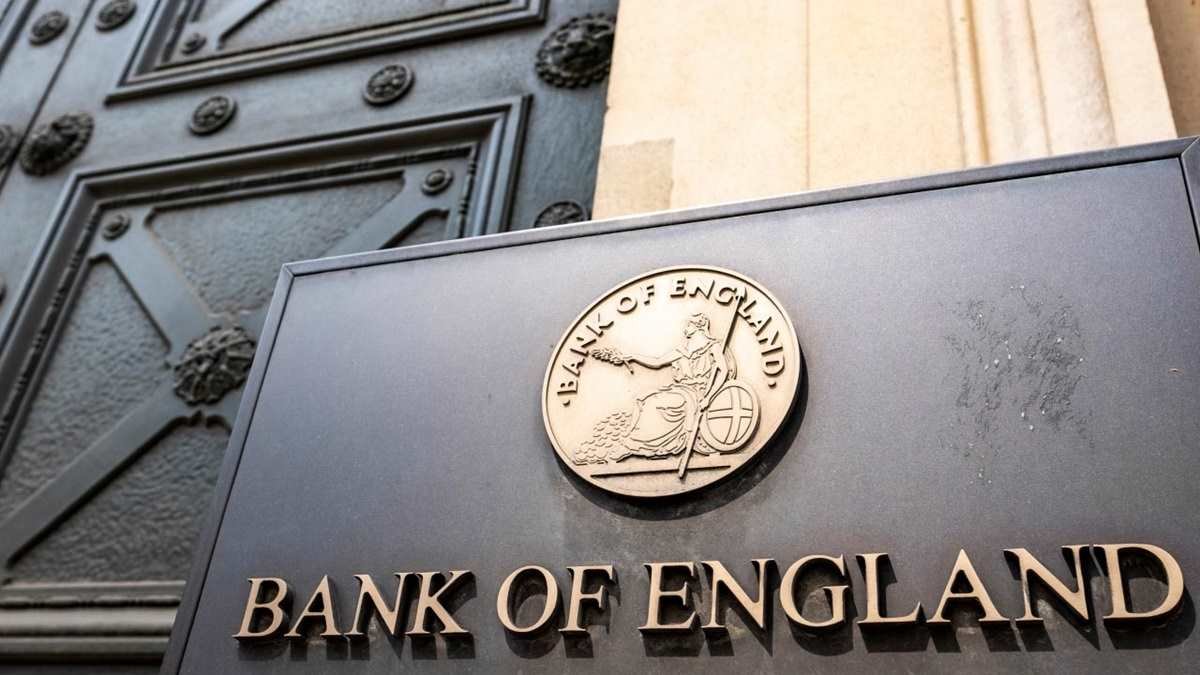
The Bank of England has released its final regulatory framework for sterling backed stablecoins, marking one of the most significant banking and fintech developments of the month. The updated rules are designed to encourage innovation while safeguarding financial stability as digital payment technologies continue to grow.
Under the new framework, the central bank has removed its earlier proposal to cap the amount of stablecoins an individual can hold. Instead, regulators have introduced a limit of £40 billion on the total issuance of each stablecoin. The revised policy also allows issuers to hold up to 70 percent of their reserves in short term government securities, providing greater operational flexibility while maintaining strong liquidity standards.
The updated regulations are expected to provide greater clarity for banks, fintech companies, payment providers, and investors looking to expand digital payment services in the United Kingdom. Industry participants have welcomed the increased certainty, although some believe the regulatory framework remains more conservative than those introduced in other major financial markets.
Stablecoins have become an increasingly important part of the global financial ecosystem because they enable faster and lower cost digital transactions while maintaining a value linked to traditional currencies. As adoption continues to increase, regulators around the world are working to establish clear rules that balance innovation with consumer protection and financial stability.
For banks and fintech firms, the Bank of England's decision signals that digital assets are becoming a permanent part of the financial system. Institutions that build compliant payment infrastructure and digital asset services may be well positioned as demand for regulated digital payments continues to expand.