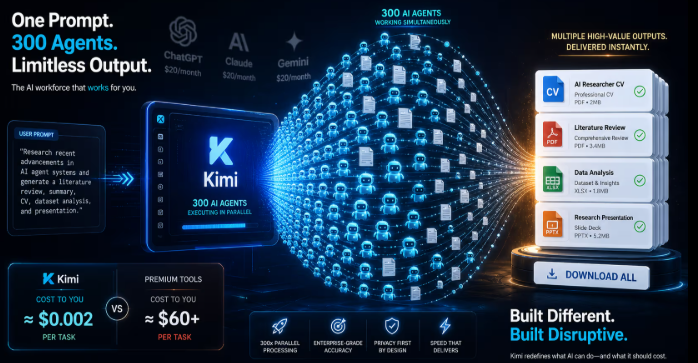
The artificial intelligence industry has become known for rapid innovation, intense competition, and unexpected breakthroughs. While much of the global spotlight has focused on established technology giants, some of the most interesting developments have emerged from newer companies operating outside the mainstream conversation. Kimi is one such example. What began as a relatively unknown AI initiative has evolved into one of the most closely watched platforms in the industry, surprising many observers who underestimated the speed at which new competitors could emerge.
Opportunity Exists Beyond Market Leaders
One of the biggest lessons from Kimi's rise is that technological innovation rarely remains concentrated within a small group of companies forever. As AI research becomes more accessible and investment continues flowing into the sector, new entrants have increasing opportunities to develop competitive products. This environment encourages experimentation and creates space for ambitious startups to challenge established players.
Technology Moves Faster Than Expectations
The speed of Kimi's growth highlights how quickly technological landscapes can change. In fast-moving industries, today's unknown startup can become tomorrow's major competitor if it successfully identifies opportunities and executes effectively. This dynamic keeps the AI market highly competitive and prevents innovation from becoming concentrated within a handful of organizations.
Building During the AI Boom
The broader AI boom has created favorable conditions for emerging startups. Growing demand for AI tools, increasing investor interest, and expanding developer ecosystems have lowered some barriers to growth. Companies capable of delivering strong products can gain attention rapidly, particularly when users are actively searching for new solutions and alternatives.
Competition Benefits Everyone
The rise of new AI startups ultimately benefits users because competition encourages continuous improvement. Established companies must innovate more aggressively, while emerging platforms work to differentiate themselves through unique features and better experiences. This cycle drives progress throughout the industry and increases the overall quality of AI products available to the public.
A Startup Worth Watching
Whether Kimi ultimately becomes a dominant global platform remains uncertain, but its rise demonstrates how quickly new competitors can emerge in the AI era. The company represents a broader trend toward increased competition, faster innovation, and greater diversity within the artificial intelligence ecosystem. As the industry continues evolving, startups like Kimi may play an increasingly important role in shaping the future of AI.