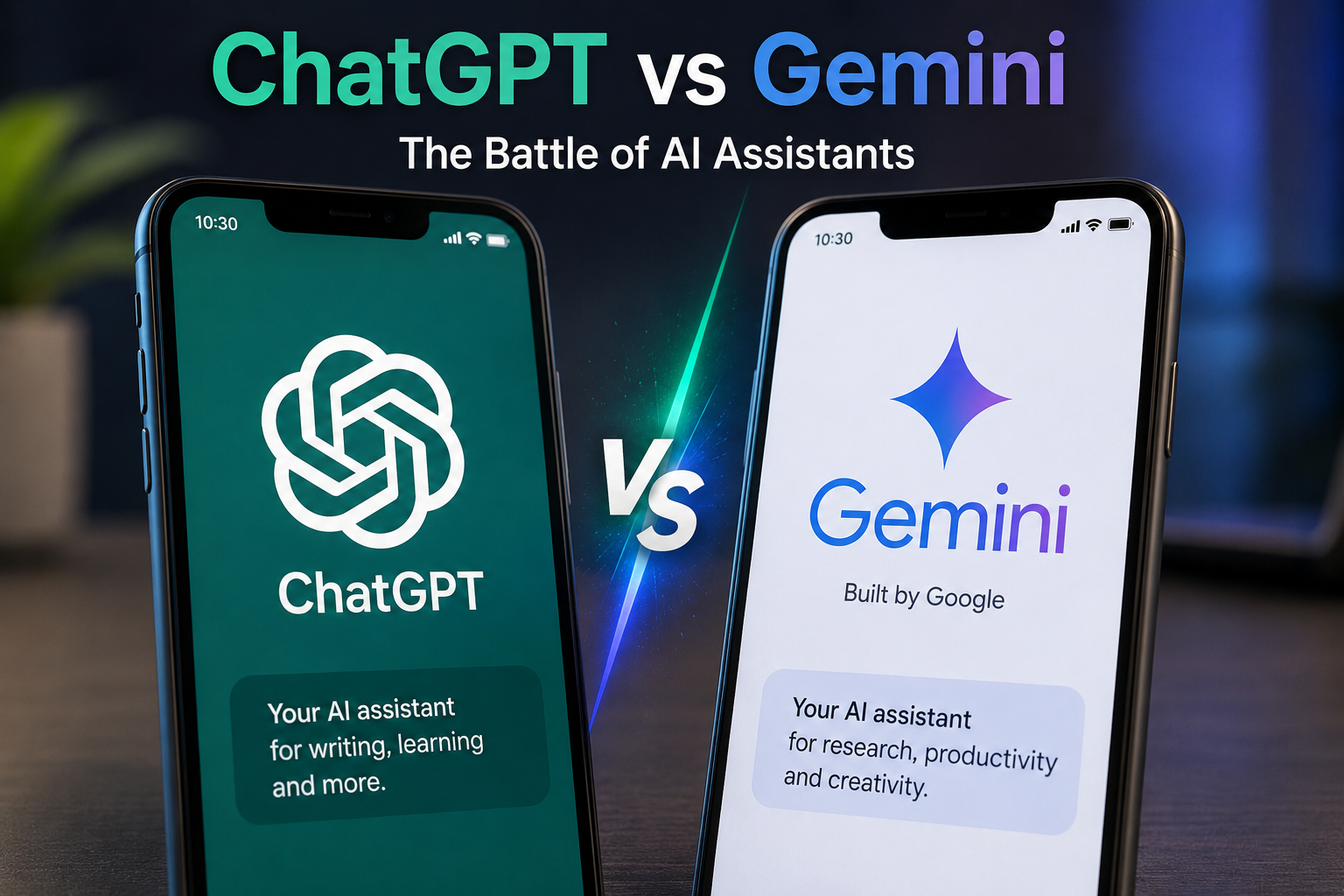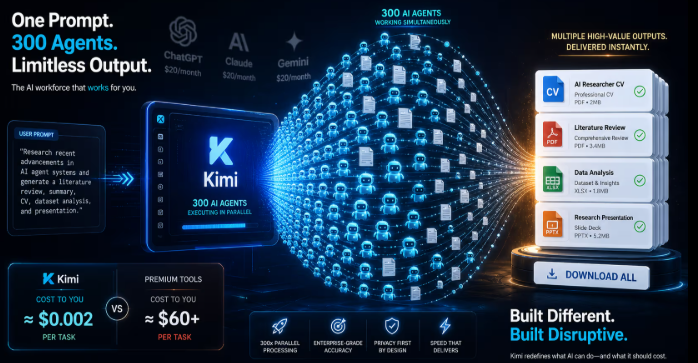
Artificial intelligence is evolving into a highly competitive industry where users are no longer choosing between one or two platforms but among a growing ecosystem of powerful AI assistants. As products like ChatGPT, Claude, Gemini, and Kimi continue improving, the conversation is gradually shifting away from identifying a single "best" AI toward understanding which platform performs best for specific tasks and user needs. This change reflects the maturity of the AI market, where differentiation is becoming just as important as raw performance.
Every AI Has a Different Design Philosophy
Although modern AI assistants share many similarities, each platform is developed with a distinct philosophy and long-term vision. Some prioritize conversational experiences, while others focus on productivity, enterprise solutions, coding assistance, research, or deep document analysis. These priorities influence how each model is trained, optimized, and integrated into broader software ecosystems, creating meaningful differences in how users experience each platform.
The Importance of Ecosystems
An AI assistant is no longer just a chatbot. It increasingly serves as part of a much larger ecosystem that includes cloud services, productivity applications, developer tools, search technologies, and enterprise software. Platforms that successfully integrate AI into broader digital ecosystems often provide more value because users can seamlessly move between tasks without leaving familiar environments. This integration has become one of the defining competitive advantages in the AI industry.
Performance Is Only One Part of the Equation
Benchmark scores and technical capabilities receive significant attention, but real-world adoption depends on much more than raw performance. Reliability, speed, accessibility, pricing, user interface, multilingual support, privacy considerations, and developer integration all influence how users choose an AI platform. A model that performs exceptionally in laboratory testing may not necessarily provide the best experience for every individual or business.
Why Competition Benefits Users
The growing number of capable AI assistants creates healthy competition that encourages continuous improvement. Every major platform is motivated to introduce better reasoning, stronger coding capabilities, faster responses, and more useful features. This constant innovation ultimately benefits users by expanding choice and accelerating technological progress across the industry.
The Future Will Be Multi-Model
Rather than one AI assistant dominating every use case, the future may involve users relying on different models for different purposes. Developers, businesses, researchers, students, and creators may choose whichever platform best fits a particular task. In that environment, success will depend less on being universally superior and more on consistently delivering value within specific areas of expertise.