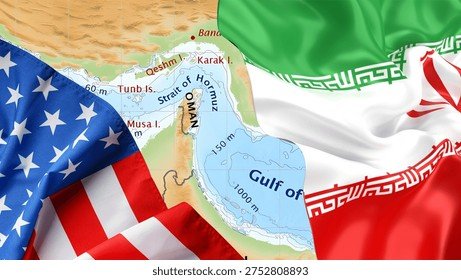
Global energy markets experienced a significant boost as crude oil prices climbed following renewed tensions between the United States and Iran in the strategically important Strait of Hormuz.
According to reports, West Texas Intermediate (WTI) crude oil rose to approximately $73.88 per barrel, while Brent crude oil increased to around $78.59 per barrel, both recording gains of more than 3%.
The sharp increase reflects growing concerns among investors and energy traders over potential disruptions to global oil supplies.
Why the Strait of Hormuz Matters
The Strait of Hormuz is one of the world's most important shipping routes for crude oil. Located between Iran and Oman, it serves as a critical passage connecting the Persian Gulf to international markets.
Key facts about the Strait of Hormuz:
- Nearly one-fifth of the world's oil supply passes through the route.
- Major oil-exporting countries rely on it for global shipments.
- Any disruption can significantly affect international energy prices.
- It is considered one of the most strategically sensitive waterways in the world.
Because of its importance, any military or political tension in the region often causes immediate reactions in global energy markets.
Impact on Global Oil Prices
When investors fear potential supply disruptions, oil prices tend to rise as traders anticipate shortages.
Factors driving the recent increase include:
- Growing geopolitical uncertainty.
- Concerns over maritime security.
- Potential restrictions on oil transportation.
- Increased risk premiums added by energy markets.
Energy analysts warn that prolonged instability could push oil prices even higher, affecting businesses and consumers worldwide.
Potential Challenges
- Increased fuel import costs.
- Higher transportation expenses.
- Rising inflationary pressure.
- Increased cost of doing business.
The overall impact will depend on Nigeria's production levels, exchange rate stability, and government energy policies.
Effects on Diesel and Petroleum Products
For businesses that depend heavily on diesel—including manufacturing companies, logistics firms, and power-generation operators—higher crude oil prices often translate into increased operational costs.
Industries may face:
- Higher diesel prices.
- Increased transportation costs.
- Rising electricity generation expenses.
- Pressure on profit margins.
For companies involved in diesel supply and distribution, market volatility may also create opportunities for increased demand and revenue.
Global Economic Concerns
Economists note that sustained increases in oil prices can slow economic growth by raising the cost of transportation, manufacturing, and consumer goods.
Countries heavily dependent on imported energy may face:
- Higher inflation.
- Increased trade deficits.
- Reduced consumer spending.
- Slower economic recovery.
Central banks around the world will continue monitoring developments closely as energy prices remain a key factor influencing inflation trends.
The recent rise in WTI and Brent crude oil prices highlights how geopolitical tensions can rapidly impact global markets. As the United States and Iran navigate increasing tensions around the Strait of Hormuz, governments, businesses, and consumers will be watching closely for any developments that could further influence energy prices and economic stability.
Whether the situation escalates or stabilizes, the event serves as a reminder of the critical role energy security plays in the global economy.