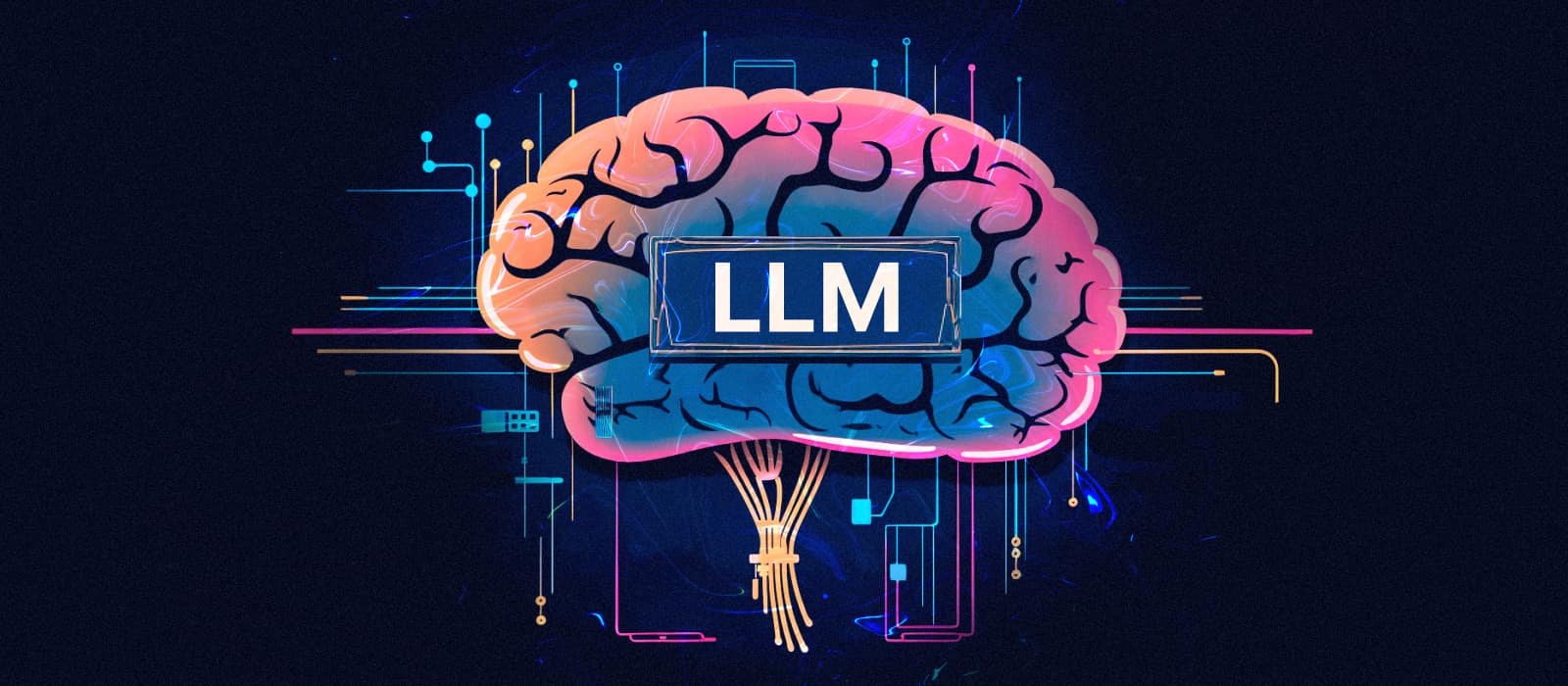
Large Language Models (LLMs) have evolved from simple text generators into powerful reasoning systems capable of understanding, creating, and interacting with human language. Modern models such as GPT-5.5, Claude, Gemini, Llama, and Qwen are transforming how software is built and how people work.
Unlike early AI systems that were designed for a single task, today's LLMs are general-purpose intelligence engines. They can write code, summarize research papers, analyze data, translate languages, answer complex questions, generate images through connected tools, and even act as autonomous AI agents that complete multi-step workflows.
The biggest advancement in modern LLMs is not just larger model size—it's the surrounding ecosystem. Today's AI systems combine reasoning, long-context memory, tool usage, retrieval from external knowledge bases, multimodal understanding (text, images, audio, and video), and agentic planning. This enables them to solve real-world business problems rather than simply generate text.
Modern LLM applications are rapidly changing industries:
- Software engineering through AI-assisted coding.
- Healthcare by supporting clinical documentation and medical research.
- Education with personalized tutoring.
- Finance through intelligent data analysis.
- Customer support using AI agents that operate 24/7.
- Scientific research by accelerating discovery and literature review.
However, LLMs are not perfect. They can produce incorrect information, reflect biases in training data, and struggle with tasks requiring verified real-time knowledge. This is why modern AI systems increasingly integrate search, databases, APIs, and human oversight to improve reliability.
The future of AI is moving beyond chatbots. We are entering an era of AI agents that can plan tasks, collaborate with other systems, use software tools, and automate complex business operations. Organizations that successfully combine LLMs with high-quality data and strong product design will gain a significant competitive advantage.
Large Language Models are becoming a foundational technology—much like the internet and smartphones before them. Understanding how to build, deploy, and integrate these models is becoming one of the most valuable skills for developers, entrepreneurs, and business leaders in the AI era.