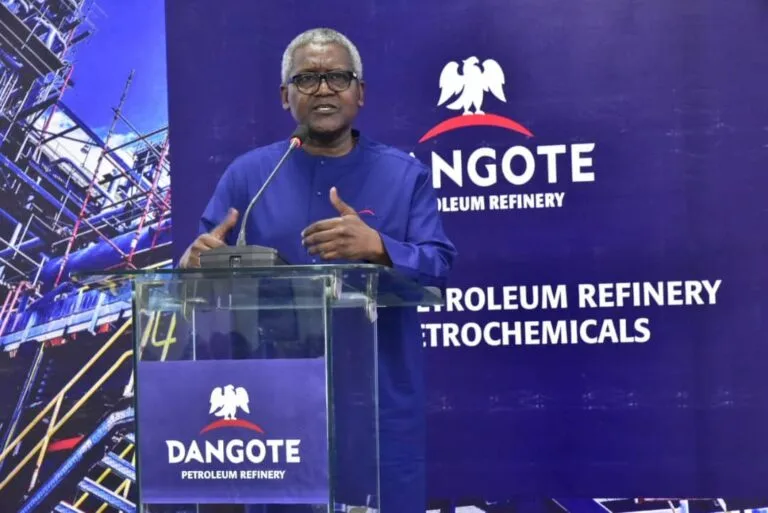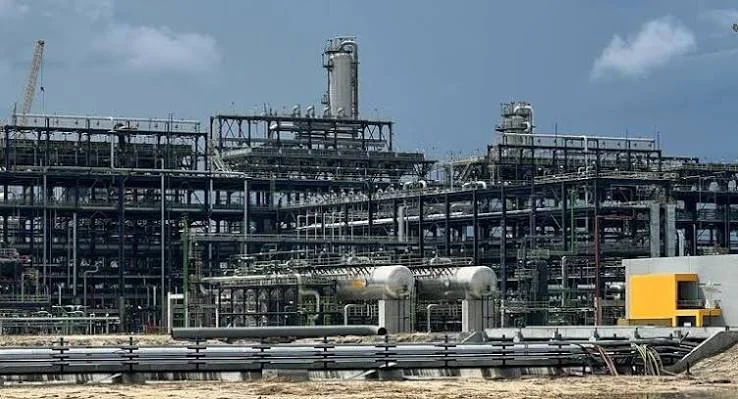
Nigeria’s fuel market is facing an unusual situation as petrol imports reportedly account for about 43% of the country’s market, even as the $20 billion Dangote Refinery continues to produce refined petroleum products.
Africa’s largest refinery has reportedly been forced to look beyond Nigeria’s borders to export surplus fuel. The development highlights the challenge of balancing domestic production with import-dependent market dynamics.
The Dangote Refinery was built to significantly reduce Nigeria’s reliance on imported petroleum products and strengthen the country’s energy security. However, the continued presence of imported petrol means a substantial portion of the domestic market is still being supplied from outside the country.
Exporting surplus fuel could provide the refinery with an additional market while helping it maintain production levels. At the same time, the situation raises questions about Nigeria’s fuel pricing, distribution system, import policies and the competitiveness of locally refined petrol.
As the refinery expands its operations, developments in domestic demand and government policy will be critical in determining whether Nigeria can transition from a major fuel importer to a sustainable exporter.