
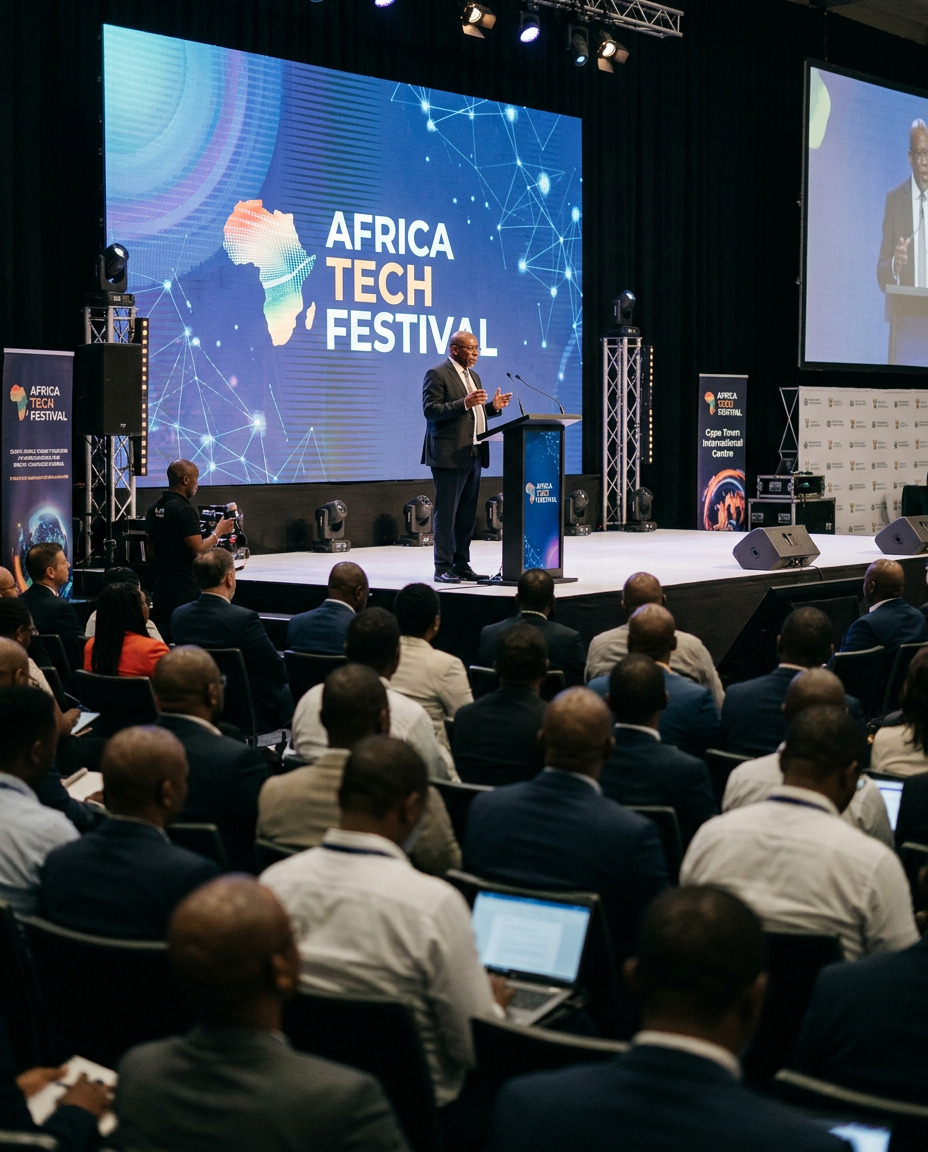
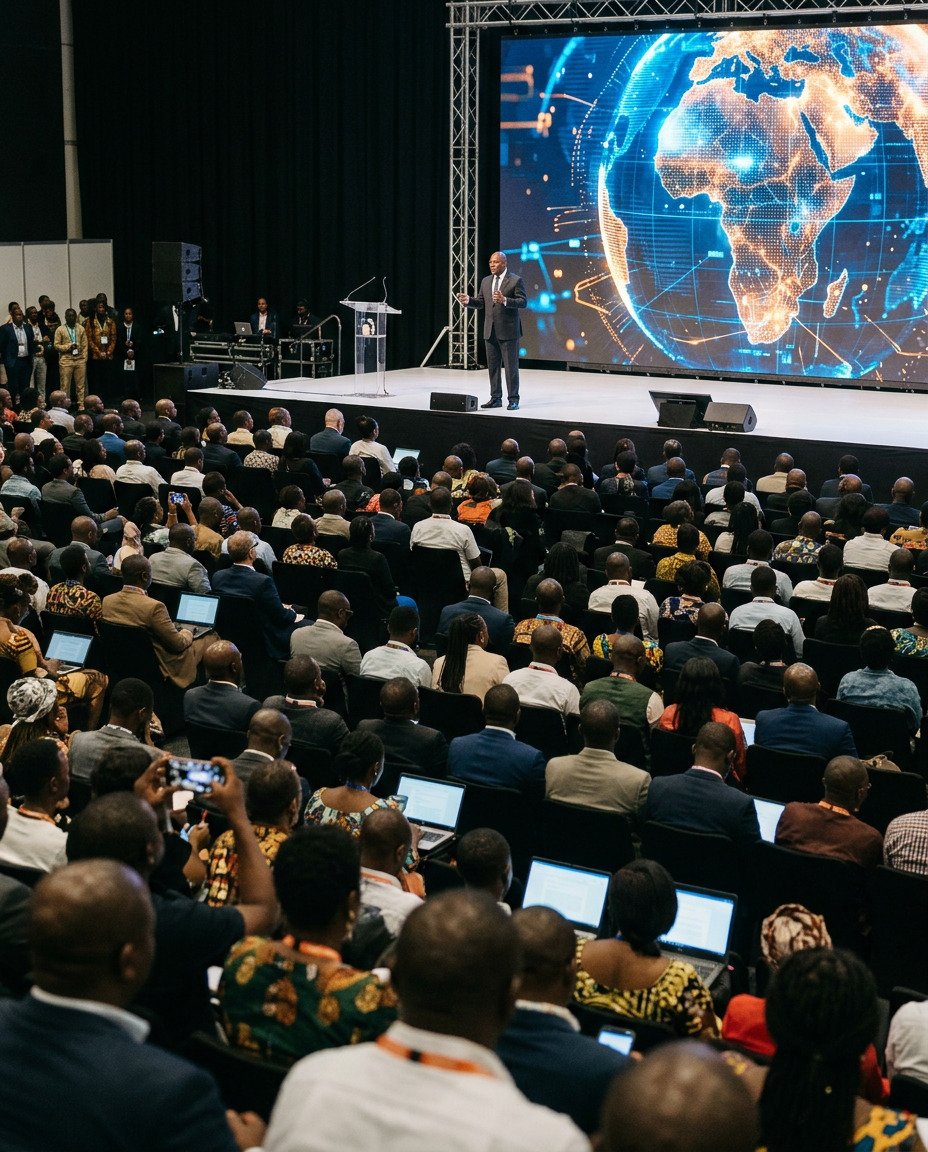
The 29th annual Africa Tech Festival, a pivotal gathering for the continent's technology ecosystem, concluded in Cape Town this week, marked by a resounding call for African governments, businesses, and financial institutions to assert greater ownership and investment in the continent's burgeoning digital economy. The event, which convened industry leaders, policymakers, and innovators, underscored the critical need for strategic local engagement to ensure that Africa not only participates in but also leads its digital transformation journey.
A central theme emerging from the festival was the imperative for digital sovereignty, emphasizing that the decisions made today regarding investment, governance, and benefit distribution will profoundly shape African economies for generations. South Africa’s Deputy Minister of Communications and Digital Technologies, Mondli Gungubele, challenged stakeholders to adopt a more active role in financing and directing the continent's digital future. This sentiment reflects a growing regional awareness that over-reliance on imported digital solutions could lead to economic marginalization, hindering the continent's ability to fully capitalize on technological advancements.
Discussions highlighted that attracting crucial infrastructure investment requires a concerted effort to create a conducive environment. Deputy Minister Gungubele outlined key governmental commitments, including reducing regulatory barriers, implementing energy reforms, and ensuring long-term policy certainty. These measures are seen as essential to de-risk investments and encourage both local and international capital flows into critical digital infrastructure projects, from data centers to expanded connectivity networks.
A significant appeal was directed at African financial institutions, urging them to play a more substantial role in financing these transformative digital projects. Local investment is viewed as a vital mechanism to ensure that the economic benefits generated by the digital economy are retained within the continent, fostering job creation, skills development, and the growth of local businesses. This shift towards domestic financial backing is crucial for building a resilient and self-sustaining digital ecosystem.
The festival also placed a strong emphasis on artificial intelligence (AI), with leaders exploring how AI can drive enterprise transformation, create new revenue streams, and equip Africa's youth for an evolving job market. Hardy Pemhiwa, President and Group CEO of Cassava Technologies, highlighted the potential of AI to make innovation more accessible and help local ideas reach broader markets, even suggesting its role in overcoming historical language barriers to commercialization.
Ghana's Minister for Communication, Digital Technology and Innovations, Samuel Nartey George, further reinforced the need for national AI strategies that are directly integrated with infrastructure development and skills enhancement. This integrated approach aims to ensure that AI adoption is not merely consumptive but contributes to building local capabilities and infrastructure, thereby strengthening Africa's position in the global AI landscape.
Innovation was celebrated throughout the festival, with the Africa Tech Festival Awards recognizing individuals and organizations that are translating technological advances into practical solutions for African challenges. For instance, Qualcomm awarded a significant equity-free grant to Qualikeeper, a Zambian agritech startup, for its edge-AIoT livestock intelligence platform, demonstrating the potential of localized, AI-driven solutions for specific African contexts, particularly in low-connectivity rural settings.
The consensus among participants was a clear shift from merely discussing Africa's digital potential to actively strategizing how that potential can be converted into tangible economic opportunities. This involves not only attracting investment but also fostering an environment where African businesses can leverage AI to improve services and create value, ensuring that the continent moves beyond being a consumer to becoming a producer and innovator in the digital realm.
For African readers, these calls for local ownership and investment carry profound implications. Greater domestic control over digital infrastructure and AI development can lead to solutions tailored to local needs, enhanced data sovereignty, and increased economic empowerment. It signals a move towards building a digital future that is inclusive, equitable, and driven by African priorities, rather than being dictated by external forces. The success of these initiatives will depend on sustained collaboration between governments, the private sector, and civil society to translate policy into practical, impactful projects across the continent.
The festival's conclusion sets a clear agenda for the coming year: accelerate the implementation of policies that attract investment, empower local financial institutions to fund digital growth, and strategically integrate AI into national development plans. By focusing on these pillars, Africa aims to solidify its position as a significant player in the global digital economy, ensuring that the benefits of technological progress are widely shared across its diverse populations.




0 Comments
No comments yet. Be the first to comment!