

South Africa is embarking on an ambitious journey to solidify its position as a leading digital and artificial intelligence (AI) hub on the African continent. Recent announcements and strategic engagements highlight a concerted effort by the government and key industry players to invest heavily in critical digital infrastructure, foster local innovation, and reduce reliance on foreign technological solutions. This multi-pronged approach aims to enhance digital sovereignty, bridge connectivity gaps, and drive economic growth across the nation and potentially the broader African region.
A significant component of this national digital drive is the proposed R6.5 billion (approximately USD 372 million) investment in a national satellite communications program. The Department of Communications and Digital Technologies (DCDT) disclosed this estimated cost during a parliamentary briefing on November 24, 2026. The program, developed in collaboration with the Department of Science, Technology and Innovation (DSTI) and the South African National Space Agency (SANSA), aims to establish a domestically owned satellite system.
This national satellite initiative is envisioned to expand connectivity, particularly in underserved rural and remote communities, thereby bridging the country's persistent digital divide. Beyond improving internet access, the program seeks to strengthen South Africa's sovereign capabilities in the space sector and reduce its current annual expenditure of approximately R100 billion on foreign communication service providers. The DCDT outlined four potential financing models for the project, ranging from full government funding to public-private partnerships and debt financing.
Complementing these infrastructure plans, President Cyril Ramaphosa recently led a high-level delegation to Silicon Valley from November 15 to 21, 2026. The visit aimed to attract international investment and position South Africa as a strategic partner in the global AI economy. President Ramaphosa emphasized the importance of building local AI capabilities, facilitating knowledge transfer, and creating new economic opportunities for South African enterprises, rather than merely consuming technologies developed elsewhere.
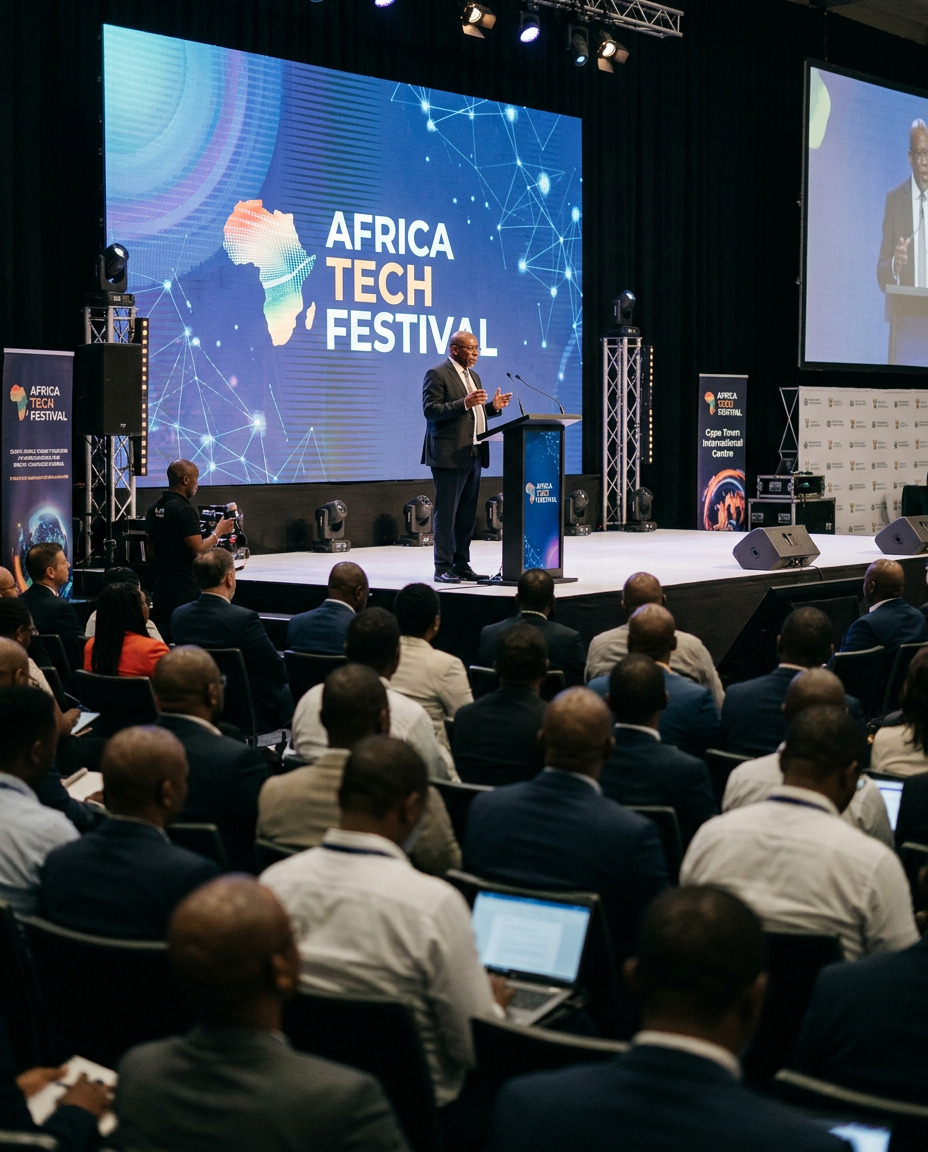
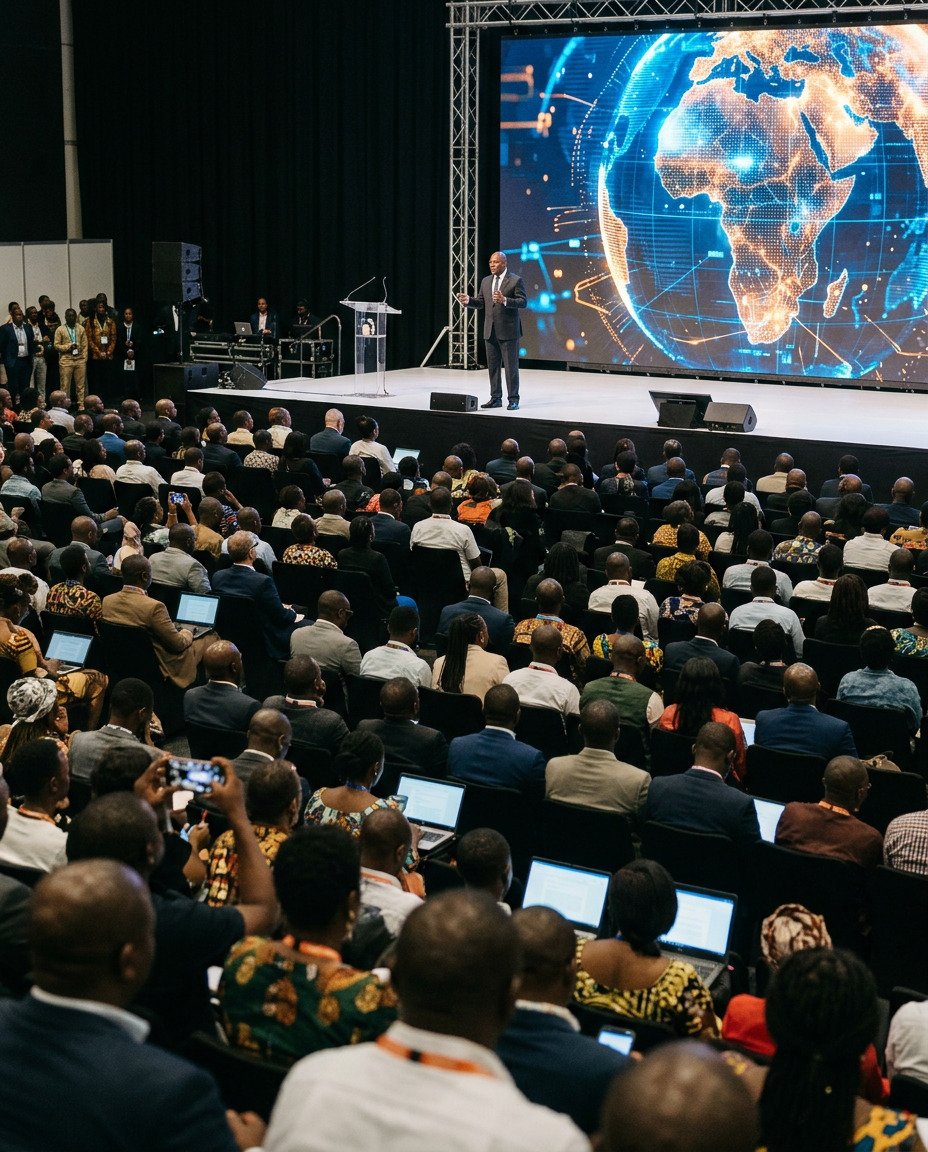
The sentiment of local ownership and development was echoed by Deputy President Paul Mashatile at the Africa Tech Festival, held in Cape Town from November 17 to 19, 2026. Mashatile urged African nations to move beyond being passive consumers of technology and instead become active builders and exporters of digital innovations. He highlighted five key priorities: future-ready digital infrastructure, digital skills development, commercializing African innovation, robust cybersecurity, and responsible AI governance.
Further demonstrating this commitment to infrastructure development, Telkom South Africa is exploring the conversion of approximately 300 underutilized fixed-line exchange buildings into edge data center facilities. This initiative, reported on November 20, 2026, aims to leverage existing infrastructure to meet the escalating demand for data center capacity. These buildings already possess essential infrastructure such as power, fiber connectivity, cooling, and security, making them ideal candidates for rapid deployment.
South Africa already boasts a significant data center footprint, hosting over 50 facilities, including the largest data center campus on the African continent. This existing capacity, combined with Telkom's expansion plans, underscores the nation's intent to become a major computing hub. The growing demand for AI-driven applications necessitates robust data center infrastructure, and these investments are crucial for supporting both domestic AI development and serving the wider African market.
The combined efforts — from the national satellite program to the expansion of data centers and high-level diplomatic engagements — signal a clear strategic direction for South Africa. The focus is on fostering digital sovereignty, ensuring that the nation has greater control over its data and digital future. This approach is expected to stimulate local industries, create skilled jobs, and provide a foundation for homegrown technological advancements that address unique African challenges.
For African readers, these developments hold significant implications. Increased connectivity through a national satellite system could unlock educational and economic opportunities in remote areas. The emphasis on local AI development and skills transfer promises to create a new generation of tech professionals and entrepreneurs. However, the success of these initiatives will depend on effective implementation, continued investment, and policies that ensure equitable access and benefits for all citizens.
Ultimately, South Africa's proactive stance in building its digital future, rather than solely relying on external solutions, positions it as a key player in shaping Africa's technological landscape. By investing in foundational infrastructure and nurturing a vibrant innovation ecosystem, the nation aims to harness the transformative power of AI and digital technologies for inclusive growth and sustainable development across the continent.
Image credit
Image credit: Illustrative photo: NASA via Wikimedia Commons · Public domain · photo source





0 Comments
No comments yet. Be the first to comment!