
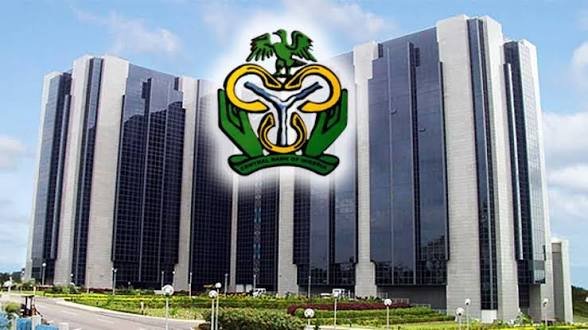
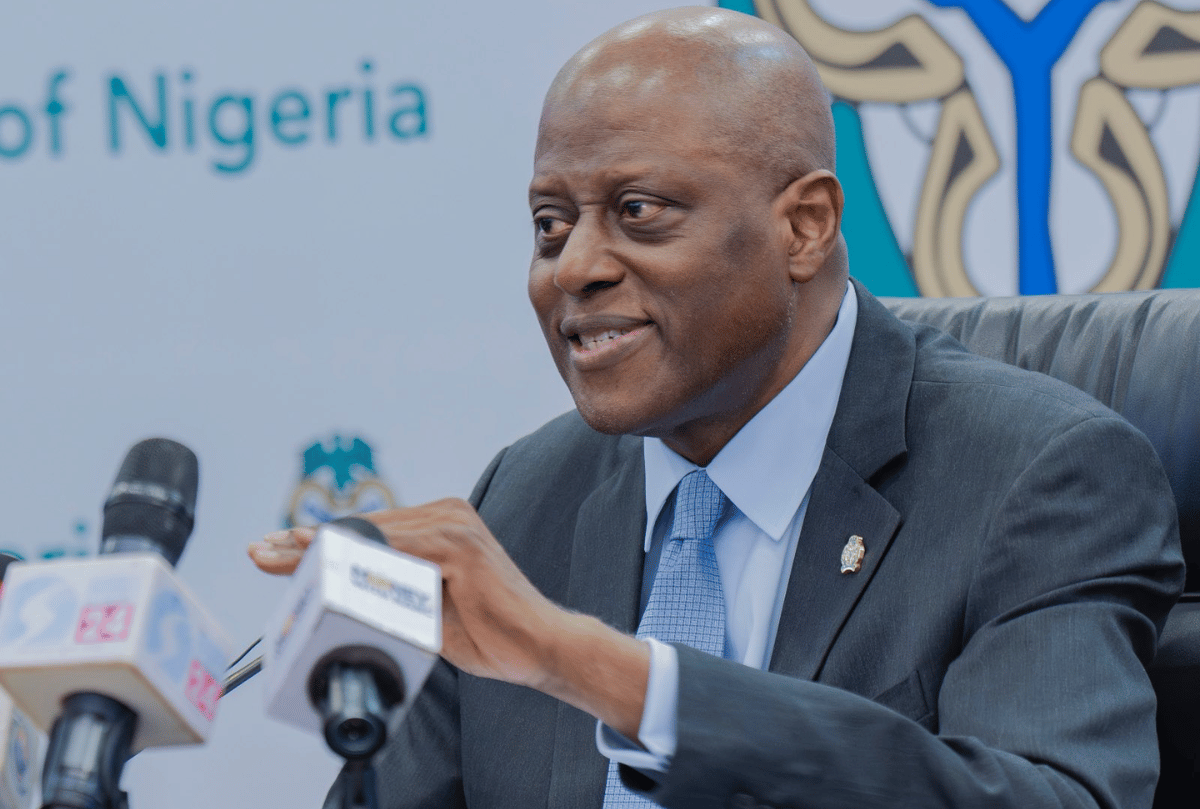
The Central Bank's latest stance on interest rates has sent a clear message to businesses, investors, and households across Nigeria. While inflation has shown signs of easing in some areas, the Bank remains cautious about cutting interest rates too quickly. Policymakers believe that maintaining a careful approach is necessary to keep inflation under control and protect the value of the naira.
For many Nigerians, this decision carries significant implications for borrowing, saving, investing, and everyday financial planning.
Why the Central Bank Is Being Careful
Interest rates are one of the Central Bank's strongest tools for controlling inflation. Higher interest rates generally reduce spending and borrowing, helping to slow rising prices. Cutting rates too soon could reverse recent progress by increasing demand before inflation is fully contained.
Global economic uncertainty, exchange rate pressures, and domestic inflation risks continue to influence the Bank's cautious position.
What This Means for Borrowers
Individuals and businesses hoping for cheaper loans may have to wait longer. Commercial banks are likely to keep lending rates relatively high, making mortgages, business loans, and personal loans more expensive.
Before taking on new debt, borrowers should compare loan offers carefully and ensure repayments fit comfortably within their monthly budgets.
What It Means for Savers
Higher interest rates can benefit savers. Banks may continue offering better returns on savings accounts, fixed deposits, and other interest-bearing investments. While returns may not always outpace inflation, disciplined saving remains an important part of long-term financial security.
Impact on Businesses
Businesses that rely on borrowing for expansion may face higher financing costs. Companies should focus on managing cash flow efficiently, reducing unnecessary expenses, and prioritizing investments with strong potential returns.
Small and medium-sized enterprises may especially need to explore alternative financing options while borrowing costs remain elevated.
What Investors Should Watch
Investors should continue monitoring inflation trends, future Monetary Policy Committee decisions, and movements in the foreign exchange market. A future rate cut could boost economic activity, but the timing will depend largely on inflation remaining under control.
Diversification remains one of the best strategies during periods of economic uncertainty.
Practical Financial Tips
While interest rates remain high, Nigerians can strengthen their finances by:
Paying down high-interest debt where possible.
Building an emergency savings fund.
Avoiding unnecessary borrowing.
Reviewing investment portfolios regularly.
Creating and following a realistic monthly budget.
Final Thoughts
The Central Bank's cautious approach reflects its commitment to achieving long-term economic stability rather than seeking short-term gains. Although higher interest rates may create challenges for borrowers, they can also provide opportunities for disciplined savers and investors.
As economic conditions continue to evolve, staying informed and making sound financial decisions will help Nigerians navigate the changing financial landscape with greater confidence.



Duke gift 3 month ago
Plase ready your content and update it