Introduction
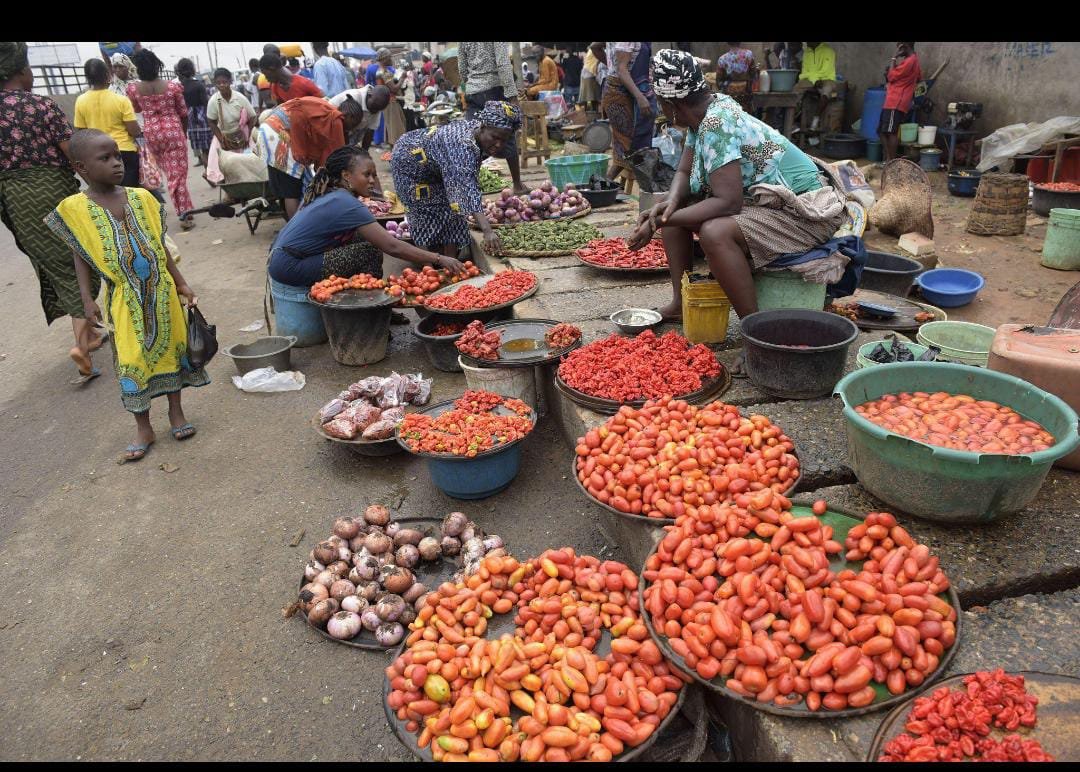
Many Nigerians have noticed reports suggesting that inflation is slowing, yet the prices of food at local markets and supermarkets remain painfully high. This has left many people asking a simple question: if inflation is easing, why are food prices still increasing?
The answer lies in understanding what slowing inflation actually means. It does not mean prices are falling. Instead, it means prices are rising at a slower pace than before. For households already struggling with high living costs, that distinction is important.
What Does Slowing Inflation Mean?
Inflation measures how quickly the general price level is increasing over time. When inflation slows, it simply means the rate of price increases has decreased. Prices can still rise, but not as rapidly as they did previously.
For example, if a bag of rice increased from ₦70,000 to ₦90,000 last year, and later rises to ₦95,000 this year, inflation has slowed, but consumers are still paying more than before.
Why Food Prices Continue to Rise
High Transportation Costs
The cost of transporting food from farms to markets remains one of the biggest challenges. Fuel prices, vehicle maintenance, and logistics expenses continue to increase, pushing up the final price consumers pay.
Currency Weakness
Many agricultural inputs, including fertilizer, machinery, packaging materials, and some food products, depend on imports. When the naira weakens, import costs increase, and those higher costs are often passed on to consumers.
Climate and Weather Challenges
Flooding, drought, and irregular rainfall have affected agricultural production in several parts of Nigeria. Lower harvests reduce supply, which can keep prices elevated even when overall inflation is slowing.
Security Concerns
Insecurity in some farming communities has reduced agricultural activities and disrupted supply chains. Fewer goods reaching markets can lead to higher prices.
Higher Production Costs
Farmers are paying more for seeds, fertilizer, labour, irrigation, and storage. These increased production costs contribute directly to higher food prices.
How Families Can Reduce the Impact
While consumers cannot control market prices, they can take practical steps to manage household expenses.
Plan meals and create a shopping list before visiting the market.
Buy staple foods in bulk when prices are relatively stable.
Reduce food waste by storing food properly.
Compare prices across different markets before making large purchases.
Grow simple vegetables at home if space allows.
Set aside part of monthly income for food purchases to reduce financial pressure.
What Could Bring Food Prices Down?
Several factors could help stabilize food prices over time:
Improved security in farming communities.
Better transportation infrastructure.
Increased local agricultural production.
Stable exchange rates.
Government policies that support farmers and improve food distribution.
These improvements may not produce immediate results, but they can strengthen food supply and help moderate future price increases.
What This Means for Nigerians
Slowing inflation is an encouraging economic signal, but it does not automatically translate into lower prices at the market. Consumers should expect food prices to remain under pressure until production costs, transportation expenses, and supply challenges improve significantly.
For households, careful budgeting, disciplined spending, and smart shopping remain essential strategies for managing rising living costs.
Conclusion
Food prices are influenced by many factors beyond the inflation rate. Transportation costs, exchange rate movements, production expenses, climate conditions, and supply disruptions all play a role. Understanding these drivers can help Nigerians make informed financial decisions while preparing for changes in the economy.
Although inflation may be slowing, managing personal finances wisely remains one of the best ways to navigate today's economic environment.