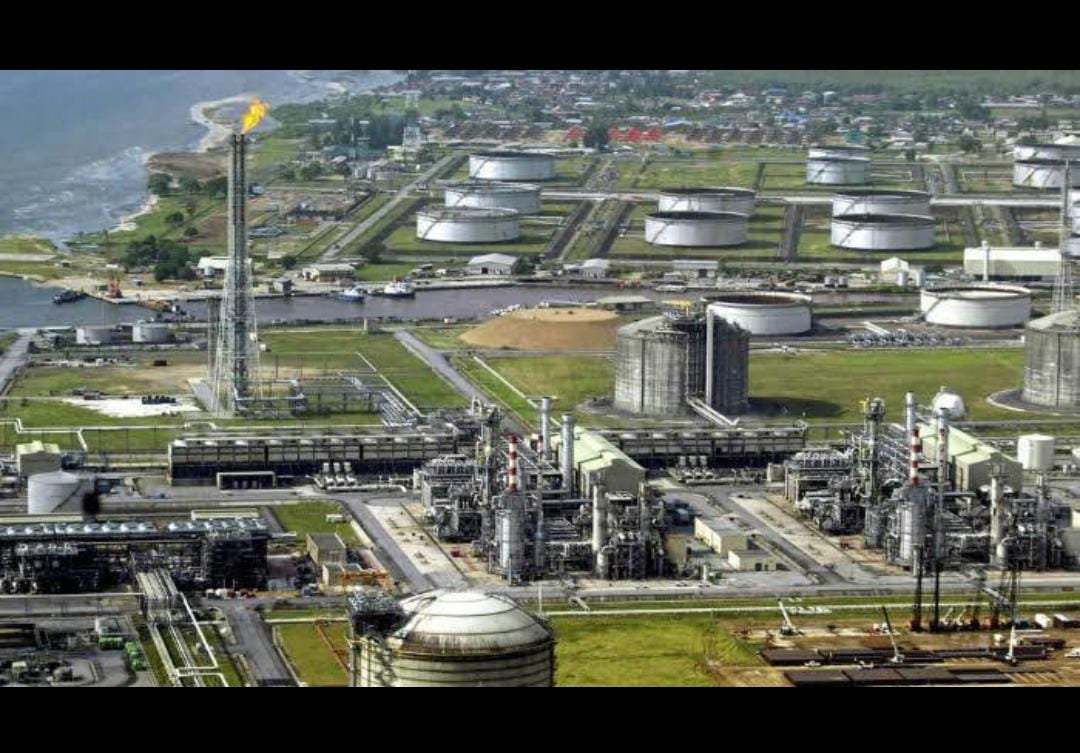
Nigeria's oil sector is back in the spotlight after the Nigerian National Petroleum Company (NNPC) announced a new tender to sell September cargoes of Cawthorne and Bonny Light crude oil. The development comes as global energy markets continue to react to geopolitical tensions and changing supply patterns.
The sale is important because crude oil remains Nigeria's largest source of export earnings. Higher demand and stronger crude prices could improve government revenue, strengthen foreign exchange inflows, and support the country's economy. However, experts note that international oil markets remain volatile, meaning prices could still change quickly depending on global events.
For many Nigerians, the biggest question is whether these developments will eventually affect petrol prices, transportation costs, and inflation. While crude exports can increase national income, local fuel prices are also influenced by refining costs, exchange rates, and market conditions.
Analysts say Nigeria's continued effort to expand crude exports is a positive sign for the country's oil industry. Increased production and reliable exports could improve investor confidence and support long term economic growth if combined with continued investment and improved infrastructure.
What This Means for Nigerians
*Government revenue could improve if oil prices remain strong.
*Foreign exchange earnings may increase through higher crude exports.
*Economic reforms will still play a major role in determining living costs.
*Petrol prices will continue to depend on both local and international market conditions.
As global oil markets evolve, Nigerians will be watching closely to see whether stronger crude exports translate into meaningful economic benefits at home.