
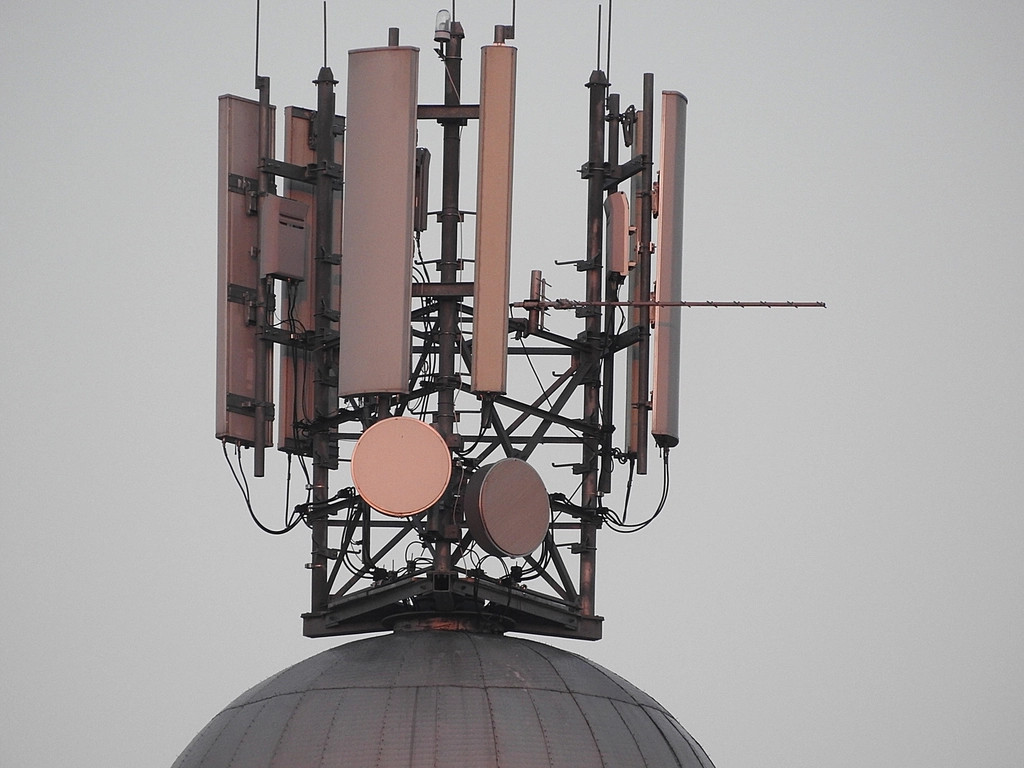
A significant legal confrontation has erupted in Nigeria's telecommunications sector, as major operators have collectively filed a lawsuit against the House of Representatives. This action, initiated on November 4, 2026, seeks to challenge the legislative body's constitutional authority to investigate the quality of telecom services provided across the country. The dispute underscores a growing tension between parliamentary oversight and the regulatory framework governing private enterprises in Nigeria.
The lawsuit, an originating summons filed at the Federal High Court in Abuja, names the Registered Trustees of the Association of Licensed Telecommunications Operators of Nigeria (ALTON), MTN Nigeria Communications Plc, Airtel Networks Limited, Globacom Limited, and Emerging Markets Telecommunication Services Limited (9mobile) as plaintiffs. The defendants include the House of Representatives, its Speaker, Clerk, and the Inspector-General of Police. The operators aim to nullify summonses previously issued by the House and prevent any further coercive measures.
At the heart of the legal challenge is the interpretation of Sections 88 and 89 of the 1999 Nigerian Constitution, which define the scope of the National Assembly's investigative powers. The telecom companies contend that these powers are not limitless and should not extend to probing private entities whose operations are already regulated by a specialized body, the Nigerian Communications Commission (NCC). They argue that legislative investigations should primarily focus on lawmaking, or exposing corruption, inefficiency, or waste in public administration.
This legal escalation follows persistent and widespread consumer complaints regarding the quality of telecommunications services in Nigeria. Issues such as dropped calls, slow internet speeds, and failed airtime and data transactions have prompted the House of Representatives to launch an ad-hoc committee investigation into network quality. Lawmakers have expressed concerns over the impact of these service deficiencies on the daily lives and economic activities of Nigerians.
The situation reportedly intensified during recent committee hearings. Representatives from ALTON, attempting to represent the collective interests of the operators, were reportedly ordered out of a meeting by the House committee, which insisted on the personal appearance of individual company chief executives. Reports also indicate that the committee had previously issued summonses on October 29, 2026, with alleged threats of arrest warrants for non-compliance, further fueling the operators' decision to seek judicial intervention.
The operators maintain that the Nigerian Communications Commission (NCC) is the statutory body empowered to regulate the telecommunications industry, including matters of service quality. By taking the matter to court, they are seeking a clear judicial pronouncement on whether the House's actions infringe upon the NCC's regulatory mandate and exceed the constitutional boundaries of legislative oversight, particularly concerning private sector operations that do not involve public funds.
For African readers, particularly those in Nigeria, this development carries significant implications. It highlights the ongoing struggle to balance consumer protection and regulatory oversight with the operational realities and legal rights of private businesses. The outcome of this case could set a precedent for how legislative bodies interact with regulated industries across the continent, potentially influencing investment climates and the predictability of regulatory environments.
Beyond the legal arguments, the dispute also brings to the forefront the broader challenges facing Nigeria's telecommunications infrastructure. Operators frequently cite issues such as multiple right-of-way charges, fiber-optic cable vandalism, high power costs, and difficulties in expanding network capacity in underserved areas as contributing factors to service quality concerns. These systemic challenges require collaborative solutions that extend beyond punitive measures or jurisdictional disputes.
The resolution of this lawsuit is crucial for clarifying the roles of different government arms in regulating critical sectors. A clear delineation of powers could foster a more stable and predictable operating environment for telecom companies, potentially encouraging further investment in infrastructure upgrades necessary for improving service quality. Conversely, prolonged uncertainty could deter investment and hinder efforts to enhance digital connectivity for millions of Nigerians.
Ultimately, this landmark legal battle will shape the future of telecommunications regulation and legislative oversight in Nigeria. It underscores the complex interplay between law, politics, and technology in a rapidly evolving digital landscape. The court's decision will not only impact the involved parties but also set a significant precedent for how similar disputes are handled across Africa, influencing the continent's journey towards a more robust and equitable digital economy.
Image credit
Image credit: Illustrative photo: Openverse contributor via Openverse / rawpixel · CC0 · photo source · license



0 Comments
No comments yet. Be the first to comment!