
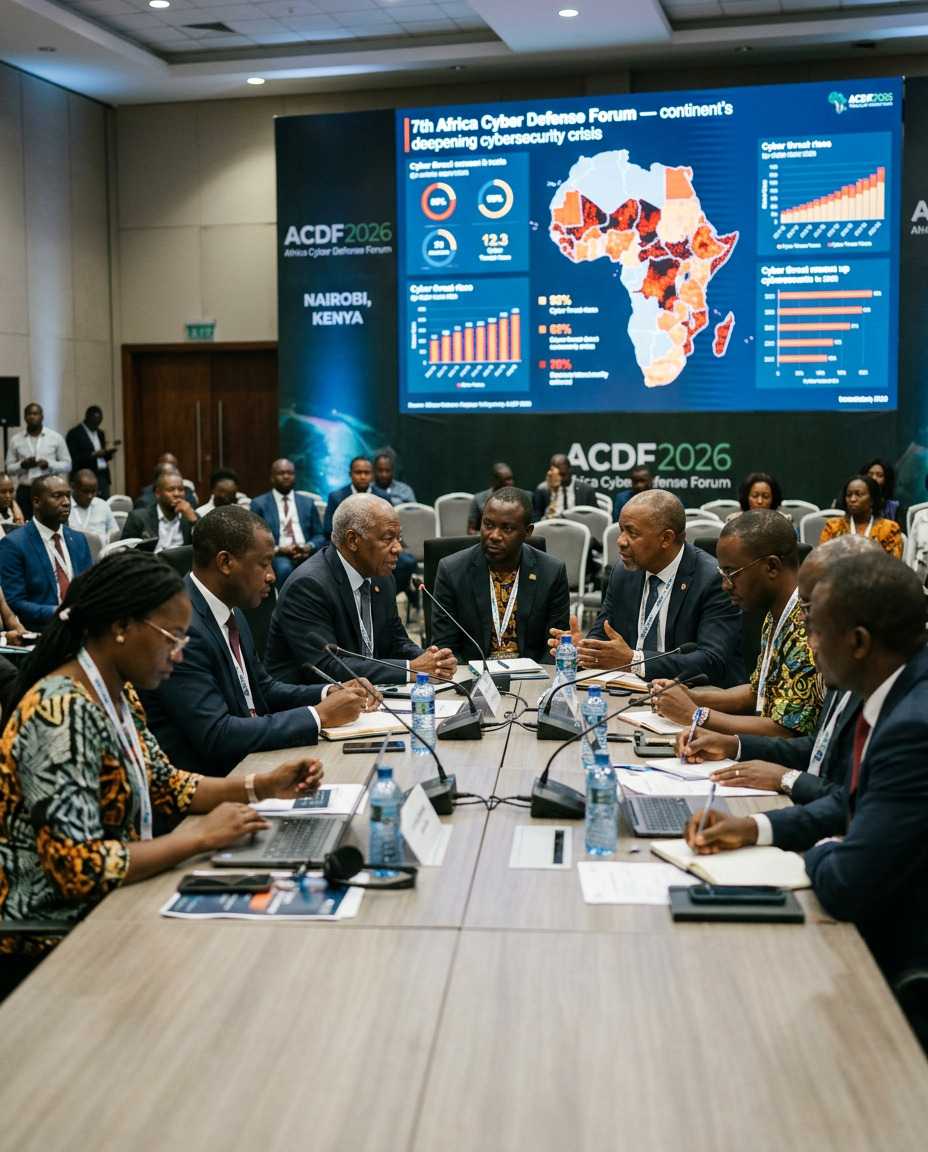
African nations are experiencing a significant surge in cyberattacks, coinciding with the rapid expansion of digital public infrastructure (DPI) across the continent. This growing digital footprint, while fostering economic growth and service delivery, has inadvertently created an enlarged attack surface, making critical systems more vulnerable to sophisticated cyber threats. The challenge is compounded by a severe shortage of cybersecurity professionals, which experts warn could undermine the continent's digital transformation ambitions.
The scale of the threat is substantial, with cyberattacks across Africa increasing by over 421% between 2016 and 2025, a rate significantly higher than the global average of 307%. This alarming trend highlights the urgent need for robust defense mechanisms as African economies become increasingly reliant on digital platforms for finance, governance, and public services. The financial implications are also considerable, with estimates suggesting Africa lost approximately $5 billion to cybercrime in 2024/2025.
A critical vulnerability lies in the continent's expanding digital identity and digital public infrastructure systems, which are increasingly integrating with government portals, telecommunications networks, and financial services. These biometrics-based systems are now classified as critical information infrastructure, demanding sovereign cyber defense capabilities. Incidents like a data breach in Senegal, which disrupted national ID issuance, underscore the tangible risks associated with inadequate protection of these foundational digital assets.
A major impediment to bolstering cybersecurity defenses is the acute shortage of skilled professionals. Reports indicate a deficit of approximately 200,000 cybersecurity experts across Africa, representing about 23% of the required workforce. This talent gap leaves many nations ill-equipped to detect, prevent, and respond effectively to evolving cyber threats, including those amplified by artificial intelligence.
The increasing sophistication of cyberattacks is partly attributed to the misuse of artificial intelligence. AI is reportedly enabling 55% of reported cybercrimes across the continent, facilitating advanced persistent threats, ransomware, data extortion, and deepfake fraud. This necessitates a proactive approach to cybersecurity that includes investing in AI-driven defense mechanisms and training personnel to counter AI-powered attacks.
Many African countries currently rely on foreign vendors for critical cybersecurity infrastructure, raising concerns about long-term operational control and incident response capabilities. In response, nations like Nigeria, Ghana, and Cameroon are prioritizing digital sovereignty. This involves investing in local cloud policies, developing indigenous infrastructure, and establishing specialized cyber units to ensure greater control over their digital assets and data.
Efforts are underway to address these challenges. The 7th Africa Cyber Defense Forum (ACDF 2026) emphasized the need for aggressive funding expansion, increased investments, local skill development, and strengthened cross-border cooperation. Such collaborative initiatives are crucial for sharing threat intelligence, coordinating responses, and building a collective defense against transnational cyber threats.
The private sector is also stepping up, with companies like Seacom launching managed security services tailored for African small and medium-sized enterprises (SMEs). These services aim to provide comprehensive protection against rising cyber threats, acknowledging that SMEs often lack dedicated security teams and are particularly vulnerable to attacks that can halt operations and incur significant costs.
For African readers, the implications of this cybersecurity crisis are profound. The integrity of digital financial transactions, the security of personal data held by governments and businesses, and the reliability of essential public services are all at stake. A robust cybersecurity posture is not merely a technical requirement but a fundamental pillar for fostering trust in the digital economy and ensuring that the benefits of digitalization are realized safely and equitably across the continent.
Addressing this multifaceted challenge requires a coordinated strategy involving governments, the private sector, academia, and international partners. Long-term investment in local skills development, institutional certification, and regional cooperation is paramount. By building indigenous capacity and fostering a culture of cyber resilience, African nations can better protect their digital future and secure the gains of their ongoing digital transformation.






0 Comments
No comments yet. Be the first to comment!