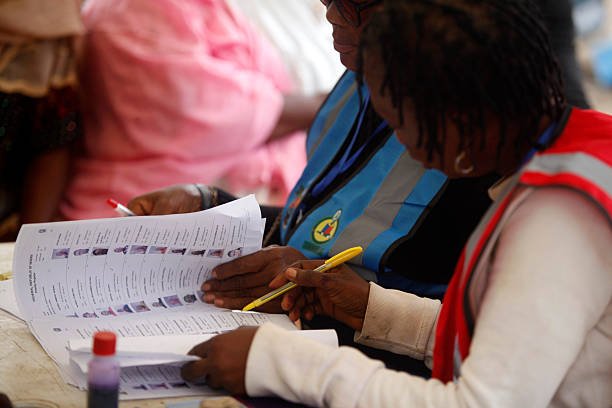
Nigeria is Africa's largest democracy by population, yet its electoral process continues to face significant challenges. While democratic elections are expected to reflect the will of the people, concerns over vote buying, electoral violence, voter intimidation, and allegations of institutional bias have continued to dominate public discourse.
Over the years, Nigeria's political landscape has evolved from one where many citizens had limited political awareness to one where voters are increasingly informed and actively engaged. Unfortunately, this progress has been accompanied by increasingly sophisticated forms of electoral malpractice. Rather than relying solely on policies, competence, and leadership qualities, some politicians and political actors have been accused of using money, intimidation, misinformation, and manipulation to influence election outcomes.
The Rise of Vote Buying in Nigeria
Vote buying has gradually shifted from being a hidden activity to one that is sometimes carried out openly in several elections.
In many communities, political parties and their supporters allegedly distribute cash, food items, or other incentives in exchange for votes. This practice undermines the principle of free and fair elections by encouraging voters to prioritize immediate financial gain over long-term national development.
Observers have repeatedly raised concerns that economic hardship has made many citizens more vulnerable to inducement during elections.
Electoral Challenges Since the 2023 General Elections
The 2023 Nigerian general elections generated significant national and international attention. Domestic observer groups, international election observers, political parties, and civil society organizations acknowledged improvements in some aspects of the electoral process while also documenting serious shortcomings.
Some of the major issues reported included:
- Delays in the arrival of election materials and officials in several polling units.
- Technical challenges affecting the upload of polling unit results through the INEC Result Viewing Portal (IReV), despite public expectations that results would be uploaded promptly.
- Allegations of vote buying and voter inducement in various states.
- Cases of voter intimidation, violence, and disruption of voting in some locations.
- Numerous legal disputes challenging election outcomes, several of which were decided by election tribunals and appellate courts.
These issues contributed to public debate over the transparency and credibility of the electoral process and highlighted the need for continued reforms.
The Recent Ekiti Governorship Election and Public Perception
Subsequent elections have continued to generate discussions around vote buying. During one governorship election in Ekiti State, social media users circulated videos allegedly showing voters displaying cash they claimed to have received from political actors in exchange for votes.
While such videos attracted widespread attention online, allegations of vote buying should be distinguished from proven legal findings unless confirmed by competent authorities or the courts. Nevertheless, repeated reports from election observers indicate that voter inducement remains a persistent concern in Nigerian elections.
Concerns About Electoral Neutrality
The Independent National Electoral Commission (INEC) is constitutionally mandated to conduct free, fair, and credible elections.
However, following the 2023 elections, several political parties and citizens expressed concerns about some of the Commission's operational decisions, particularly regarding the transmission of election results and the handling of election logistics.
At the same time, INEC has consistently maintained that it operates independently and has defended its conduct of elections. Allegations that the Commission favors any political party remain matters of political debate unless established through judicial findings or credible evidence.
Public confidence in electoral institutions depends heavily on transparency, accountability, and consistent adherence to electoral laws.
Consequences of Vote Buying
The consequences of vote buying extend far beyond election day.
1. Weak Leadership
When elections are influenced by money rather than competence, qualified candidates may lose to those with greater financial resources.
2. Increased Corruption
Politicians who spend enormous sums buying votes may attempt to recover those expenses through corrupt practices after assuming office.
3. Poor Governance
Leaders who emerge through electoral malpractice may feel less accountable to citizens and more accountable to political sponsors.
4. Loss of Public Trust
Repeated allegations of electoral misconduct reduce citizens' confidence in democratic institutions and discourage voter participation.
5. Political Violence
Competition involving financial inducement and electoral manipulation often increases tensions that may result in violence before, during, or after elections.
6. Slower National Development
When leadership quality declines because elections do not genuinely reflect the will of the people, development suffers across sectors including education, healthcare, infrastructure, and security.
The Way Forward
Nigeria's democracy can only thrive when elections are credible and citizens freely choose their leaders.
Possible reforms include:
- Strict enforcement of laws against vote buying.
- Stronger prosecution of electoral offenders.
- Greater voter education on the long-term dangers of selling votes.
- Improved transparency in election technology and result management.
- Increased independence and accountability of electoral institutions.
- Active participation by civil society, election observers, and the media in monitoring elections.
Conclusion
Democracy is strongest when every vote counts and every citizen can vote freely without intimidation or financial inducement.
Vote buying may provide temporary benefits to individual voters, but its long-term consequences affect the entire nation. Nigeria's democratic future depends not only on political leaders and electoral institutions but also on citizens who choose integrity over immediate financial rewards.
The fight against vote buying is ultimately a fight for accountable leadership, stronger institutions, and sustainable national development.