LAGOS, Nigeria , Nigeria has opened a major investigation into some of the world's largest technology companies, including Meta, Google's parent company Alphabet, X (formerly Twitter), and several generative AI platforms, following complaints from local media organizations over the alleged unauthorized use of Nigerian news content.
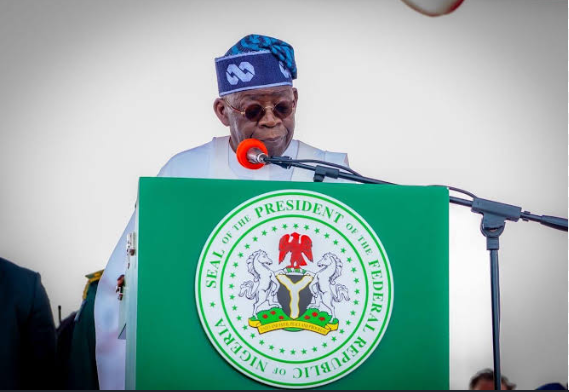
The investigation, ordered by President Bola Tinubu and announced by the Federal Competition and Consumer Protection Commission (FCCPC), marks one of Nigeria's most significant regulatory actions against global technology companies. At the center of the dispute are allegations that major digital platforms have benefited from Nigerian journalism without providing fair compensation to the organizations that produce it. The inquiry will also examine concerns over market dominance, anti-competitive conduct, and the reported use of journalistic material to train generative AI systems. The FCCPC has emphasized that the investigation does not presume any company has broken the law and that every organization involved will have an opportunity to respond before any conclusions are reached.
Why Nigeria Is Taking Action
Over the last decade, social media platforms and search engines have become the primary way millions of Nigerians consume news. While this has helped publishers reach wider audiences, it has also changed how media companies earn revenue. Increasingly, publishers argue that technology platforms display, summarize, or benefit from their journalism while directing fewer readers back to the original websites.
The complaint that prompted the investigation was submitted by the Nigerian Press Organisation, representing newspaper owners, journalists' unions, broadcasters, and online publishers. According to the FCCPC, investigators will examine whether major digital platforms have engaged in unfair competition, unauthorized commercial use of copyrighted news content, or practices that weaken Nigeria's media industry.
A Global Debate Reaches Nigeria
Nigeria is not the first country to question the relationship between technology companies and news publishers. Governments in Australia and Canada have introduced bargaining frameworks that require certain digital platforms to compensate news organizations. France has also taken regulatory action against Google over negotiations with publishers, while South Africa secured commitments from Google and YouTube to support local media following a competition inquiry. Nigeria's investigation places the country within a broader international conversation about the future of journalism in the digital age.
Why This Matters for Nigerian Publishers
For media organizations, bloggers, and digital publishers, the investigation could have significant long-term implications. If regulators determine that changes are necessary, the outcome could influence how technology companies use Nigerian news content, negotiate licensing agreements, or share economic value generated through search, social media, and AI-powered services.
For readers, the issue goes beyond copyright. A financially sustainable news industry is essential for investigative journalism, public accountability, and access to reliable information. Many publishers argue that if original reporting cannot be adequately funded, the overall quality of news available to the public may decline over time.
What Happens Next?
The FCCPC says it will gather evidence, hear from all parties involved, and assess whether any competition or copyright-related concerns require regulatory action. Because the investigation is still in its early stages, no penalties or enforcement decisions have been announced.
The outcome could become one of Nigeria's most closely watched technology cases, with implications for publishers, technology companies, advertisers, and the country's growing digital economy.
Overite Insight
This investigation is bigger than a dispute between media companies and Big Tech. It represents a broader question about who creates value on the internet—and who should be rewarded for it. As artificial intelligence, search engines, and social platforms continue reshaping how information is distributed, countries around the world are rethinking the balance between innovation and fair compensation. Nigeria's decision to investigate these practices signals that African regulators are increasingly willing to play a larger role in shaping the future of the digital economy.
Read More
To explore the original reporting and official developments, visit:
- Reuters – Nigeria investigates Meta, Google, X and AI platforms over news content use
- Premium Times – Tinubu directs FCCPC to investigate Meta, Google, X and AI platforms