Fuel prices remain one of the biggest factors affecting the cost of living in Nigeria. Recent developments in the downstream petroleum sector have once again placed motorists, transport operators, businesses, and households on alert as changes in petrol pricing continue to influence transportation costs across the country.
Latest Fuel Price Situation
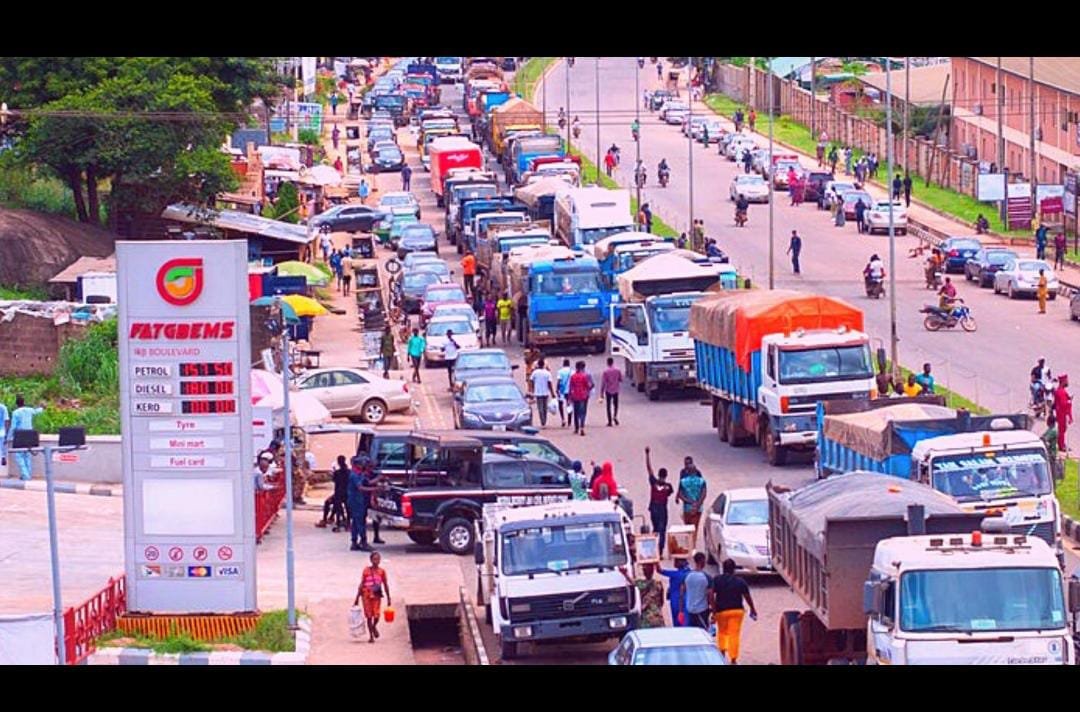
Petrol prices currently vary across different states and filling stations, with many retail outlets selling between approximately ₦1,100 and ₦1,400 per litre, depending on location and supply conditions. Industry analysts attribute the differences to logistics costs, exchange rate movements, international crude oil prices, and market competition.
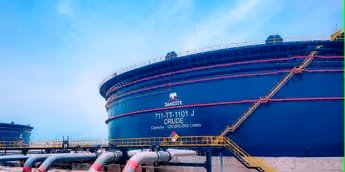
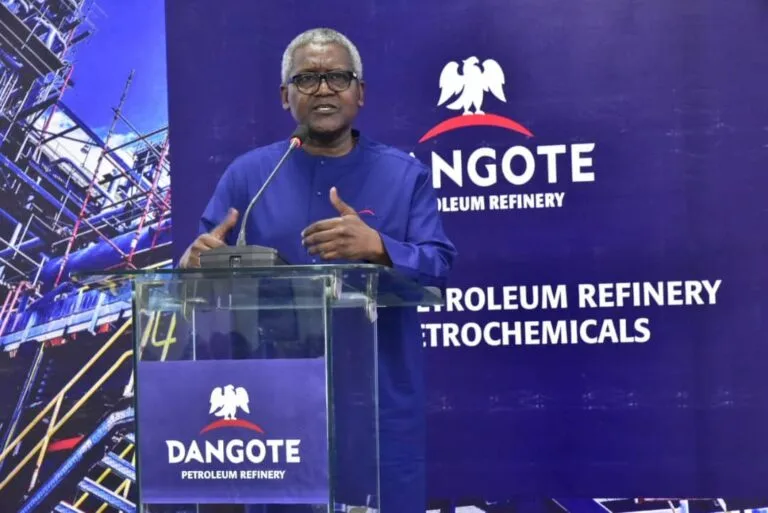
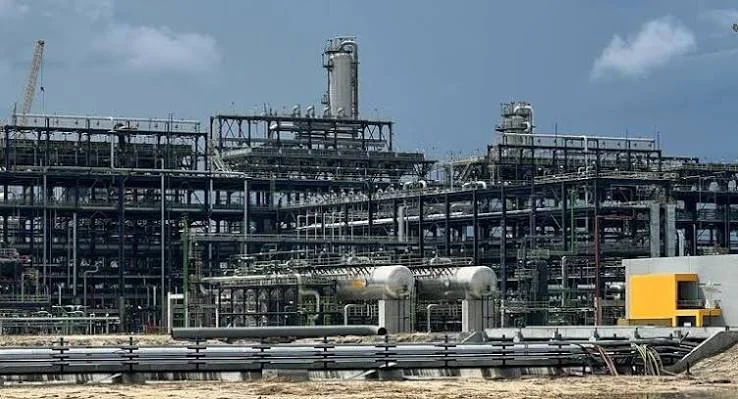
Recent market developments also show that pricing decisions by major suppliers, including Dangote Refinery, continue to shape the Nigerian fuel market. Rising global oil prices and foreign exchange pressures remain important factors affecting wholesale and retail fuel prices.
Why Transport Costs Are Increasing
Transportation is directly linked to fuel prices. Whenever petrol becomes more expensive, transport operators often increase fares to offset higher operating expenses.
This has resulted in:
Higher fares for buses, taxis, tricycles, and motorcycles.
Increased interstate transport costs.
Rising logistics expenses for businesses.
Higher delivery charges for online shopping and food vendors.
Official transport data also shows that bus fares have risen significantly over the past year, placing additional pressure on household budgets.
Impact on Food Prices
Higher transport costs eventually affect food prices because farmers, wholesalers, and retailers spend more moving goods from farms to markets.
Consumers may notice:
More expensive fresh vegetables and fruits.
Higher prices for rice, beans, yam, and other staples.
Increased costs for packaged goods.
Rising restaurant and takeaway prices.
Transport remains one of the largest components of food distribution costs in Nigeria.
What This Means for Businesses
Small businesses that depend on transportation are among the most affected. Delivery services, ride-hailing drivers, manufacturers, retailers, and market traders all experience higher operating expenses when fuel prices increase.
Many businesses are responding by:
Adjusting product prices.
Combining deliveries to reduce fuel consumption.
Exploring alternative energy sources where possible.
Improving route planning to reduce transport expenses.
Tips for Households
Families can reduce the impact of rising transport costs by:
Planning multiple errands in one trip.
Using public transport where practical.
Sharing rides with colleagues or neighbours.
Creating a monthly transport budget.
Comparing prices before making large purchases that require delivery.
Outlook
The direction of fuel prices over the coming months will largely depend on international crude oil prices, exchange rate stability, domestic refining output, and competition among petroleum suppliers. While increased local refining capacity offers hope for greater supply stability, global market conditions continue to influence pump prices.
Conclusion
Fuel prices remain a key driver of transport costs and inflation in Nigeria. As the market continues to evolve, consumers and businesses alike should expect transport expenses to remain closely tied to movements in petrol prices. Staying informed and adopting cost-saving strategies can help households better manage the financial impact of these changes.