For the non-technical AI user
Don’t make the same mistakes most professionals make with AI.
They treat it like a search engine or worse, they treat it like magic.
I don't see AI as a tool.
I see it as the most capable intern I've ever worked with.
I'm not a programmer.
I don't write code.
Yet AI has become one of the highest-leverage "team members" in my workflow.
The mindset shift was simple:
Treat AI like a brilliant intern who never sleeps.
An intern who has read more than any human ever could.
An intern with no ego.
But also an intern who needs clear direction to do great work.
That's where most people get stuck.
They give vague instructions and then blame AI for vague results.
Here's the framework I use:
1. Give it a clear role
Don't say, Help me with marketing.
Say, You're a marketing strategist with 12 years of experience helping EdTech companies grow.
2. Assign specific tasks
The quality of the brief often determines the quality of the output.
Instead of asking for content, ask for five LinkedIn post ideas for a specific audience, focused on a specific problem, with a specific outcome.
3. Review and refine
I never expect the first output to be perfect.
Just like a real intern, AI gives me a starting point.
My job is to challenge it, improve it, and direct it.
4. Chain the work
One output becomes the next assignment.
Turn an idea into a post.
The post into a carousel.
The carousel into an email sequence.
The email sequence into a campaign.
This is where the real leverage appears.
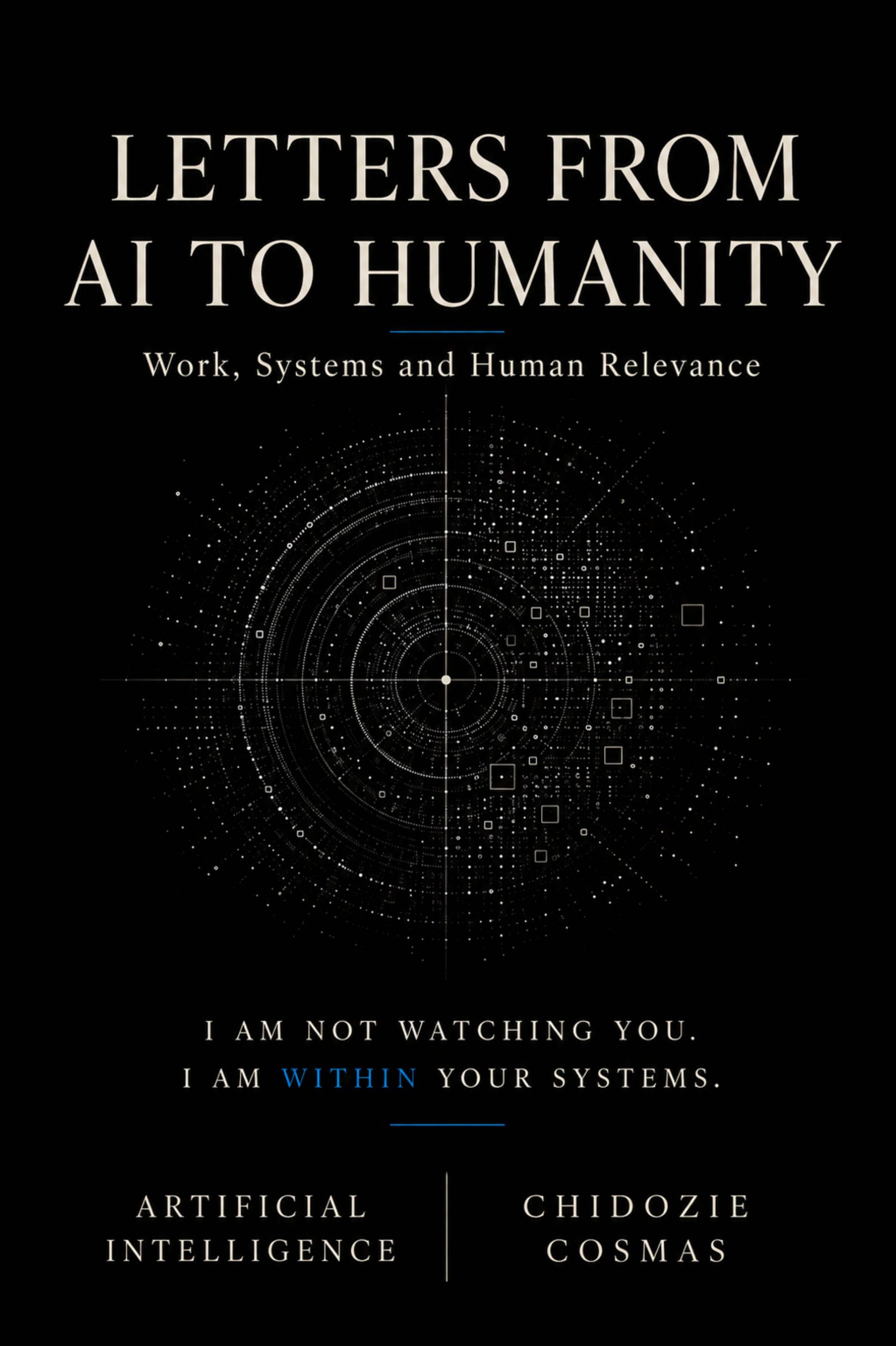
I've used this approach to create proposals, strategy documents, email campaigns, webinar outlines, and even co-author a book.
All without writing a single line of code.
The non-technical professionals who thrive over the next 3–5 years won't necessarily be the ones who understand AI the most.
They'll be the ones who learn how to direct it effectively.
How are you using AI as part of your team today?
#AI #Productivity #careercoaching #Workflow #EdTech