The global fintech and banking industry continues to evolve rapidly as financial institutions embrace artificial intelligence, tokenized payments, and digital financial infrastructure. Several major developments announced this week highlight how banks and fintech companies are moving beyond experimentation and into real world implementation.
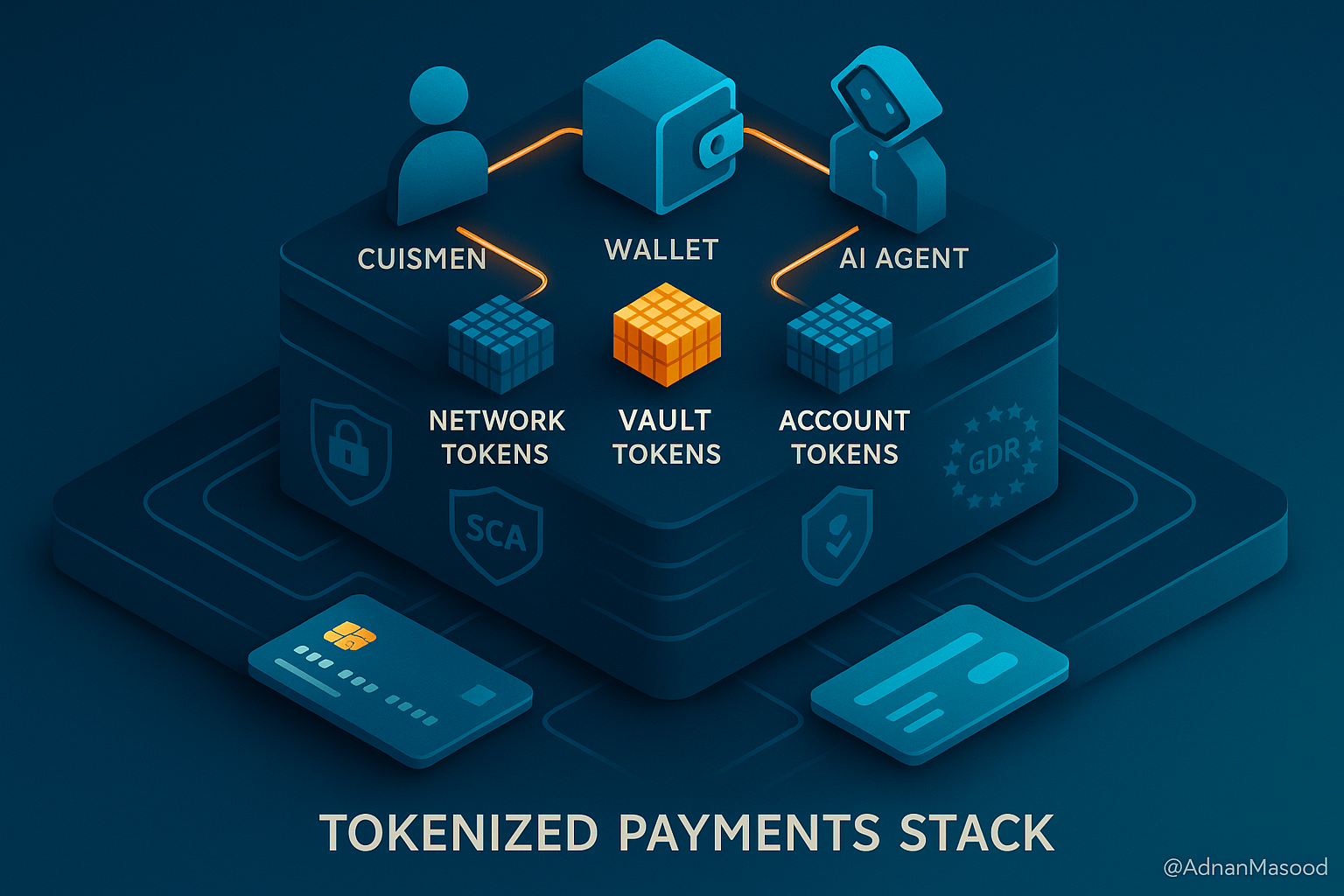
One of the biggest stories comes from Lloyds, which has successfully tested tokenized deposits for live cross border wholesale payments. The project marks an important milestone because it involves real value transactions rather than limited pilot testing. Industry experts believe this could improve payment speed, transparency, and efficiency for international business transactions.
Another major development is the continued expansion of digital payments through X Money, the financial service introduced by social media platform X. The service has begun rolling out in the United States for eligible subscribers, reflecting the growing trend of technology companies integrating financial services into their ecosystems. The move demonstrates how digital platforms are increasingly competing alongside traditional financial institutions.
Artificial intelligence also remains one of the strongest investment areas across the financial sector. New reports show that banks and fintech firms are expanding AI adoption for fraud detection, customer service, compliance monitoring, and operational efficiency. However, industry analysts also note that successful AI implementation now depends on strong governance, transparency, and human oversight rather than automation alone.
Meanwhile, investment activity continues across the fintech ecosystem. Companies developing embedded finance, digital investing, and AI powered financial services attracted fresh funding during the past week, highlighting continued investor confidence despite a more competitive funding environment. New product launches are increasingly focused on solving real business challenges instead of simply introducing new technology.
The banking sector is also adapting its workforce and technology investments. Visa recently announced plans to reduce approximately seven percent of its workforce while redirecting investment toward consumer payments, commercial money movement networks, and value added financial products. This reflects a broader industry trend of prioritizing strategic technology investment while improving operational efficiency.
Why This Matters
These developments demonstrate that the future of banking is being shaped by practical innovation rather than experimental technology. Financial institutions are focusing on secure digital payments, artificial intelligence, embedded finance, and tokenized assets to improve customer experience while reducing operational costs.
For businesses, investors, and consumers, these innovations could lead to faster international payments, more personalized financial services, stronger fraud protection, and greater access to digital financial products over the coming years.
As fintech companies and traditional banks continue to collaborate and compete, the financial services industry is expected to become more connected, efficient, and technology driven.
Conclusion
The latest developments show that fintech is entering a more mature stage where innovation is measured by real world impact instead of hype. Banks are investing in advanced payment infrastructure, fintech firms are expanding AI powered services, and digital financial ecosystems continue to grow globally. Organizations that successfully balance innovation with security and regulatory compliance are likely to lead the next generation of financial services.