Government and policy developments continue to shape the global economic and business environment as lawmakers and regulators introduce new measures aimed at strengthening economic resilience, improving governance, and responding to emerging challenges. Recent announcements from several countries highlight how policy decisions are influencing businesses, financial markets, and citizens.
One of the most closely watched developments is the continued negotiation of the United States Clarity Act in the Senate. The proposed legislation seeks to establish a clearer regulatory framework for digital assets and financial markets. While lawmakers continue to debate key provisions, the bill reflects the growing importance of creating balanced regulations that encourage innovation while protecting consumers and maintaining financial stability.
Another significant policy trend is the increasing focus on government transparency and national economic priorities. The United States administration recently announced additional executive actions covering critical minerals, government transparency initiatives, and infrastructure projects. These measures are designed to strengthen supply chains, support domestic industries, and improve public sector accountability amid growing global competition.
Around the world, governments are also introducing policies that promote long term economic development and social inclusion. In South Africa, public and private sector organizations have launched initiatives to expand opportunities for women entrepreneurs, while government agencies continue preparations for voter registration activities and broader public service improvements. These efforts demonstrate how policy initiatives are increasingly combining economic development with governance reforms.
Trade policy also remains a major area of attention. Governments continue to evaluate tariffs, international trade relationships, and industrial strategies as geopolitical tensions influence global supply chains. Analysts note that policy decisions affecting trade and manufacturing could have lasting implications for inflation, investment, and international commerce over the coming months.
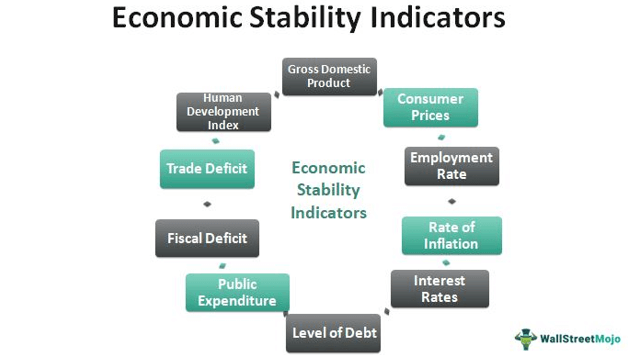
Experts also expect governments to maintain a strong focus on fiscal responsibility, infrastructure investment, and public sector modernization throughout the remainder of the year. According to recent economic assessments, policymakers face the challenge of balancing economic growth with rising public debt, inflation risks, and evolving global market conditions.
Why This Matters
Government policies influence nearly every aspect of the economy, from business investment and employment to consumer confidence and financial market performance. Regulatory clarity encourages investment, while transparent governance strengthens public trust and supports sustainable economic growth.
Businesses should continue monitoring legislative and regulatory developments that may affect taxation, digital innovation, international trade, and compliance requirements. Staying informed allows organizations to adapt more effectively to changing policy environments.
Conclusion
Recent government and policy developments demonstrate that policymakers are prioritizing economic resilience, regulatory modernization, and institutional reform. As governments respond to technological change, geopolitical uncertainty, and evolving economic conditions, businesses and citizens alike will continue to feel the impact of these decisions. Monitoring credible policy updates remains essential for understanding future opportunities and risks in the global economy.