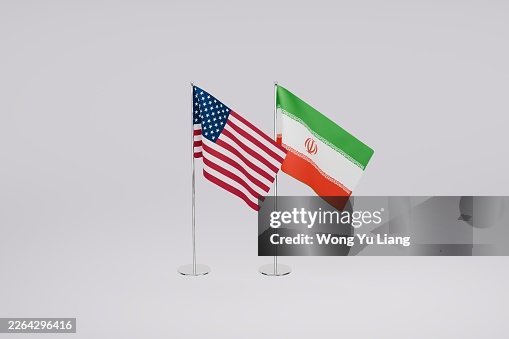
The relationship between Iran and the United States has entered another dangerous phase, with renewed military actions, diplomatic breakdowns, and growing concerns over global energy security. The latest escalation has increased fears of a wider regional conflict that could affect not only the Middle East but also the global economy.
What Triggered the Latest Hostility?
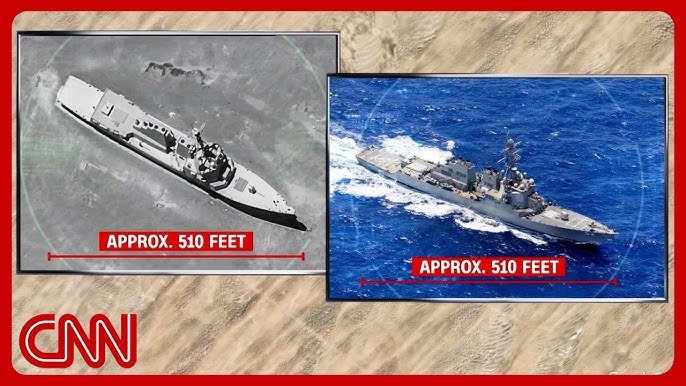
Recent reports indicate that military exchanges between the United States and Iran have intensified following disputes over the Strait of Hormuz, one of the world's most strategic oil shipping routes. The collapse of recent diplomatic efforts has been followed by fresh military strikes, retaliatory attacks, and increasing threats from both sides.
Why the Strait of Hormuz Matters
The Strait of Hormuz is a vital maritime route through which roughly one-fifth of the world's oil supply passes. Any disruption to shipping in this region immediately affects global energy markets.
As tensions have increased, oil prices have risen due to fears of supply disruptions, while shipping companies have become more cautious about operating in the Gulf region.
Economic Impact
The renewed conflict has already produced several economic consequences:
- Rising crude oil prices.
- Increased transportation and shipping costs.
- Higher fuel prices in many countries.
- Greater uncertainty in international financial markets.
- Potential inflation if energy supplies remain disrupted.
Countries that rely heavily on imported petroleum products, including many African nations, may experience higher fuel costs if the conflict continues.
Global Reactions
The international community has called for restraint and renewed diplomacy. Several governments and international organizations have urged both Iran and the United States to avoid further escalation that could destabilize the wider Middle East.
Security analysts warn that prolonged military confrontation could affect global trade routes, energy supplies, and regional stability.
What Could Happen Next?
Several scenarios remain possible:
- Diplomatic negotiations could resume.
- Military operations could continue at a limited level.
- Regional actors may become more directly involved.
- Continued instability could keep oil prices elevated and increase pressure on global markets.
The coming weeks are likely to determine whether both nations return to negotiations or move toward a broader confrontation.
The renewed hostility between Iran and the United States represents more than a bilateral dispute. It carries significant implications for global security, energy markets, and international diplomacy. While military actions continue, many world leaders are urging dialogue as the most effective path to reducing tensions and preventing a wider regional conflict.
As events continue to develop, businesses, governments, and citizens around the world will be closely monitoring the situation due to its far-reaching economic and geopolitical consequences.