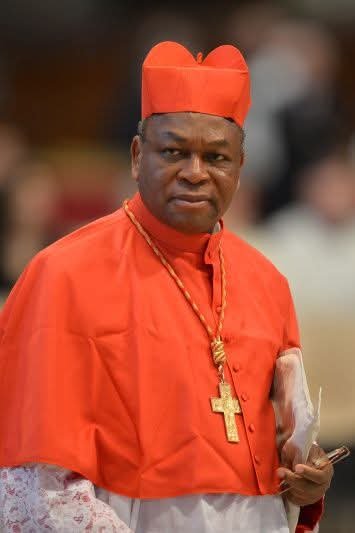
A recent interview granted by John Cardinal Onaiyekan on Arise PrimeTime has generated widespread discussion across Nigeria, with reactions focusing on the Catholic cleric’s comments about the state of the nation and the challenges facing Nigerians.
Following the interview, supporters and critics have expressed different opinions about the Cardinal’s remarks. While some have praised him for speaking frankly about issues affecting the country, others have questioned his views and criticised his approach.
However, one argument emerging from the debate is that attention should remain on the substance of the Cardinal’s message rather than on personal attacks against the messenger.
Focus on the Message, Not the Messenger
Cardinal Onaiyekan has long been a prominent voice in Nigeria’s public discourse, particularly on issues relating to governance, democracy, peace and national development.
His latest comments have once again raised questions about the direction of the country and whether government policies are adequately addressing the difficulties faced by ordinary citizens.
Rather than focusing primarily on the personality of the speaker, the debate should examine the issues raised during the interview.
Are Nigerians experiencing economic hardship? Are families struggling with the rising cost of living? Are businesses facing increasing operational challenges? Are security concerns still affecting communities across the country?
These are questions that deserve serious public discussion regardless of who raises them.
Nigeria’s Economic Challenges
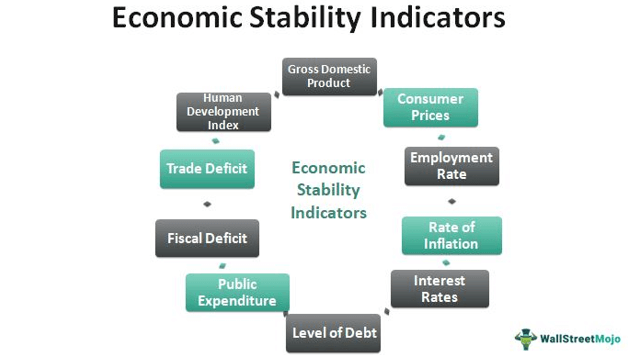
Nigeria continues to face significant economic challenges, including high living costs, inflationary pressures, unemployment concerns and difficulties affecting businesses and households.
For many Nigerians, the most important issue is not political argument but whether they can afford food, transportation, housing, healthcare and other basic necessities.
The economic situation has also created pressure for businesses, particularly small and medium-sized enterprises that must deal with rising operational costs and changing market conditions.
These realities make constructive conversations about government policies and their effects on citizens particularly important.
Criticism Is Part of Democracy
In a democratic society, government policies should be open to criticism and scrutiny.
Supporters of the government have the right to defend its policies, while critics have the right to question decisions they believe are not producing the desired results.
The healthiest approach is to respond to criticism with facts, evidence and alternative arguments rather than personal attacks.
If a public figure makes a claim that is considered inaccurate, the strongest response is to provide evidence showing why the claim is wrong.
This principle applies regardless of political affiliation.
A Call for National Conversation
The reaction to Cardinal Onaiyekan’s interview demonstrates how deeply divided Nigeria’s public discourse has become.
Political discussions frequently turn into personality battles, with supporters and opponents concentrating more on who made a statement than on whether the statement itself deserves consideration.
Nigeria, however, faces challenges that require serious and sustained national conversation.
Issues surrounding the economy, security, unemployment, infrastructure, education and governance affect Nigerians across political and religious lines.
The country therefore needs more conversations based on facts, accountability and practical solutions.
Cardinal John Onaiyekan’s interview has sparked another important conversation about Nigeria and the condition of the nation.
Whether one agrees or disagrees with his position, the issues raised deserve to be examined on their merits.
The messenger may be criticised, but the message should not be ignored simply because it is uncomfortable.
At a time when many Nigerians are demanding better living conditions, stronger governance and greater accountability, public officials, political actors, religious leaders and citizens all have a role to play in ensuring that important national issues receive the attention they deserve.