

The African smartphone market experienced a dramatic downturn in the third quarter of 2026, with shipments plummeting by 40% year-on-year to just 13.7 million units. This marks the steepest decline observed in the past three years, significantly outpacing the global market's 22% contraction during the same period. The sharp reduction highlights growing economic pressures and affordability issues impacting consumers across the continent.
A primary driver of this decline is the escalating cost of smartphone components, particularly memory, which has been influenced by the global demand for AI-driven technologies. This has made entry-level devices less profitable for manufacturers, forcing them to re-evaluate their product offerings and pricing strategies in a market highly sensitive to cost. Consequently, shipments of smartphones priced under $100 saw an even more drastic fall of nearly 70% year-on-year.
As new smartphone prices climb, African consumers are increasingly adapting their purchasing habits. Many are opting to retain their existing devices for longer periods, while others are turning to refurbished phones as a more budget-friendly alternative. This shift is also evident in the resurgence of feature phones, which saw a 27% increase in shipments during the third quarter, indicating a move towards more basic and affordable mobile communication solutions.
The average selling price (ASP) of smartphones in Africa reached $222 in Q3 2026, marking its highest level in a decade. This upward trend in pricing directly clashes with the economic realities of many African households, making smartphone ownership an increasingly unattainable goal for a significant portion of the population. The market's dependence on affordable devices means vendors face a critical challenge in balancing profitability with consumer accessibility.
Leading manufacturers have felt the impact across the board. While Chinese device maker Transsion maintained its top position with a 48% market share, its shipments still fell by 43% due to its strong exposure to the shrinking low-cost segment. Other major players like Xiaomi and Oppo experienced even steeper declines, with shipments dropping by 49% and 69% respectively, underscoring the widespread nature of the market contraction.
Looking ahead, analysts project a challenging period for the African smartphone market. Full-year smartphone shipments for 2026 are expected to be down by 23% compared to 2025, with a further 25% decline anticipated in 2027. This sustained downturn underscores the urgent need for interventions that can address the fundamental issues of device affordability and accessibility across the continent.
Beyond just device availability, Africa continues to grapple with a significant mobile internet usage gap. Despite mobile broadband networks covering 92% of the continent's population, only 28% actively use mobile internet on their own devices. This 64% usage gap is the largest globally, indicating that physical network access alone is insufficient to drive digital inclusion. Affordability of devices and data, alongside digital literacy, remain critical barriers.
Addressing this multifaceted challenge requires coordinated efforts from governments, manufacturers, and network operators. Potential solutions include reducing import duties and other taxes on mobile phones, which can directly lower device costs for consumers. Handset financing plans could also make smartphones more accessible by spreading costs over time, thereby easing the financial burden on buyers.
Evidence from South Africa supports the impact of policy changes. Following the elimination of a 9% excise duty on smartphones priced below R2,500 in April 2025, monthly sales of entry-level smartphones surged by 80%. This demonstrates how targeted fiscal policies can significantly boost device adoption. Currently, only nine African countries impose neither sector-specific taxes nor import duties on mobile phones, suggesting a broad opportunity for similar interventions across the continent.
For African readers, the implications of this market contraction are profound. A decline in smartphone accessibility directly hinders participation in the digital economy, limiting access to education, healthcare services, financial tools, and employment opportunities that increasingly rely on mobile internet. Bridging this gap is crucial for fostering inclusive economic growth and ensuring that the benefits of digitalization reach all segments of society.
The current trend risks widening the digital divide, particularly affecting lower-income populations who rely on affordable devices for their primary internet access. Without concerted efforts to make smartphones more affordable and accessible, Africa's progress towards a fully connected and digitally empowered future could be significantly delayed, impacting social development and economic competitiveness.
Image credit
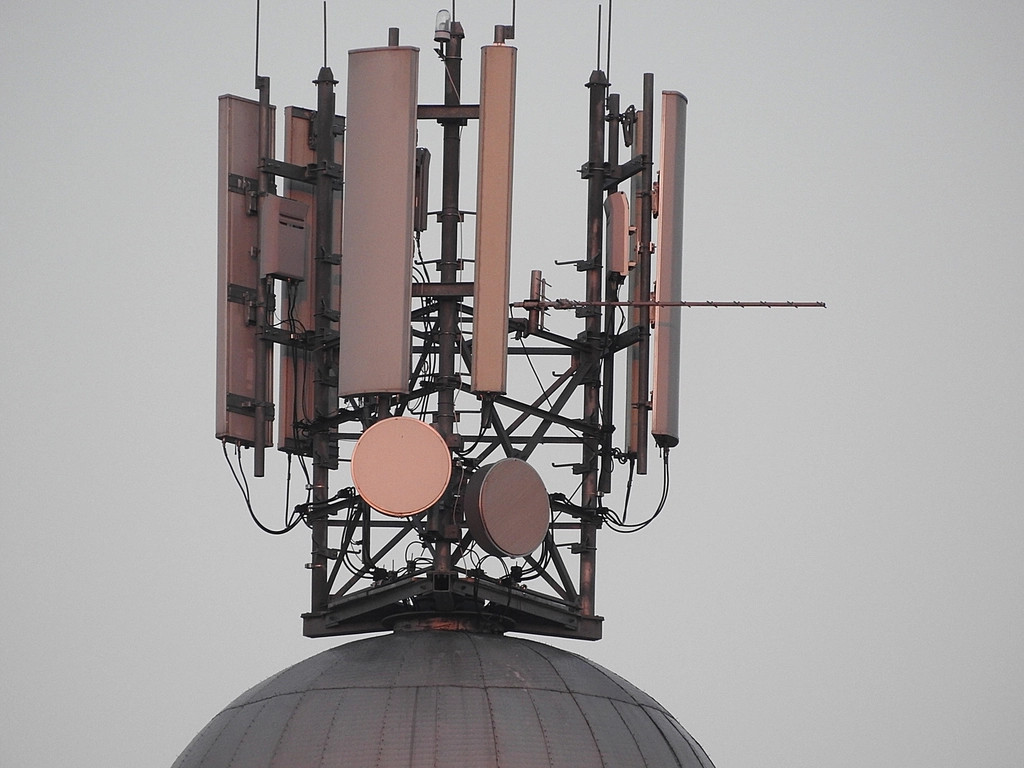
Image credit: Illustrative photo: Rawpixel.com via Wikimedia Commons · CC0 · photo source · license



0 Comments
No comments yet. Be the first to comment!