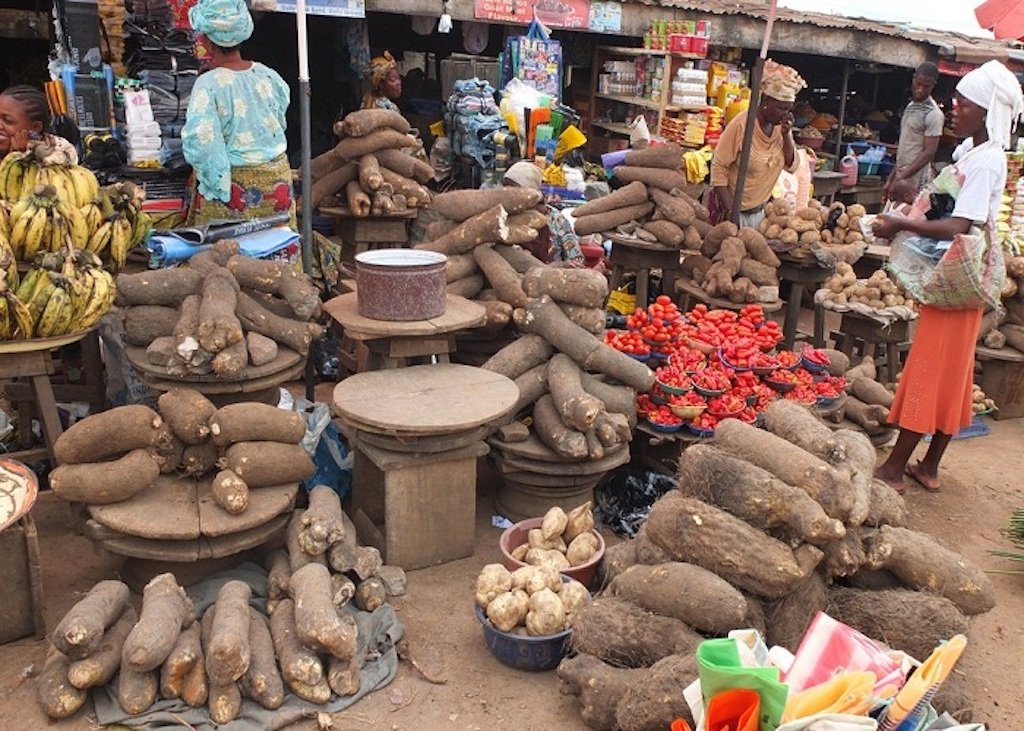
Living Through the Rising Cost of Everyday Life in Nigeria
In recent times, life across Nigeria has taken on a new rhythm — one defined by adjustment, resilience, and quiet determination. From the busy streets of Lagos to smaller towns and rural communities, the rising cost of living has become a shared experience that cuts across age, class, and occupation.
Markets that once felt predictable now change almost overnight. The price of food items, transportation, and basic household needs continues to shift, forcing families to rethink how they plan, spend, and survive. A simple trip to the market has become a lesson in budgeting, negotiation, and prioritizing what truly matters.
Yet, within this challenge lies something deeply Nigerian — resilience.
People are adapting in ways that reflect both creativity and endurance. Small businesses are adjusting their models, families are finding alternative sources of income, and young people are increasingly turning to digital skills, freelancing, and entrepreneurship as a way forward. In Lagos especially, where ambition and pressure live side by side, the energy of survival is visible in every corner — from street vendors trying new strategies to tech hubs quietly shaping future opportunities.
Transportation, too, tells its own story. Commuters leave home earlier and return later, navigating traffic and rising fuel costs with patience that often feels like necessity rather than choice. Despite the strain, life does not stop. It continues — loud, busy, and determined.
But beyond the struggle, there is also hope. Nigeria has always been a country of adaptation. Every generation has faced its own version of hardship, and yet innovation, culture, music, and enterprise continue to grow from the same soil of difficulty. The present moment is no different.
What stands out most is not just the pressure, but the persistence — the way people keep going, keep building, and keep believing that better days are possible.
In the middle of rising costs and shifting realities, life in Nigeria remains what it has always been: vibrant, challenging, and deeply resilient.





Duke 2 week ago
This is nice but you didn’t upload image